Altitude's Influence on Live Betting Dynamics in South American World Cup Qualifiers
Tina Franke · Aug 27, 2026
Altitude's Influence on Live Betting Dynamics in South American World Cup Qualifiers
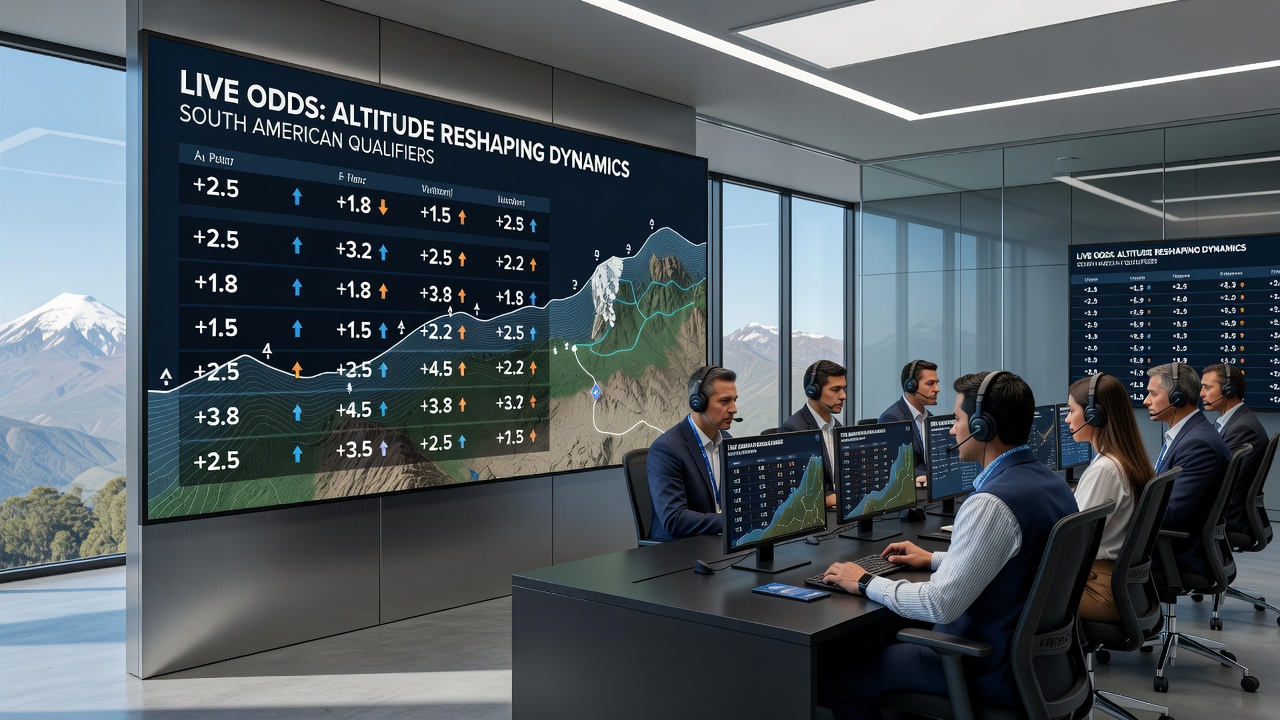
High-altitude venues across South America continue to shape live betting markets during CONMEBOL World Cup qualifiers, and operators adjust odds in real time as matches unfold at elevations exceeding 2,500 meters. Venues such as Bolivia's Hernando Siles Stadium in La Paz and Ecuador's Estadio Olímpico Atahualpa in Quito create measurable physiological effects that alter player output, scoring patterns, and in-play probabilities.
Physiological Effects Documented in Research
Data from sports science studies show reduced oxygen availability at these heights leads to quicker onset of fatigue, lower sprint distances, and modified recovery times between high-intensity efforts. Researchers at institutions tracking CONMEBOL fixtures note that teams accustomed to sea-level conditions often record 15-20 percent drops in total distance covered after the 60-minute mark, while home sides adapted to thinner air maintain steadier work rates throughout teh second half.
These shifts directly feed into live odds calculations because bookmakers monitor real-time metrics such as expected goals, pass completion rates, and shot frequency. When visiting teams struggle to sustain pressure, in-play markets on total goals or next-team-to-score tighten or widen accordingly, and traders update lines within seconds of each data point.
Statistical Patterns in Recent Qualifiers
Match records from the 2026 World Cup qualifying cycle reveal consistent trends at altitude. Games hosted above 2,800 meters produced an average of 2.1 goals per match compared with 2.7 goals in sea-level fixtures during the same period, according to aggregated competition data. First-half under bets hit at higher rates when visiting sides began matches with cautious pacing, while late-game over markets gained traction once fatigue set in for the away team.
Live accumulators built around second-half goal timing captured value when altitude-induced lapses appeared after the 75th minute, and cash-out options reflected these patterns as probability models updated continuously.
Bookmaker Adjustments and Market Response
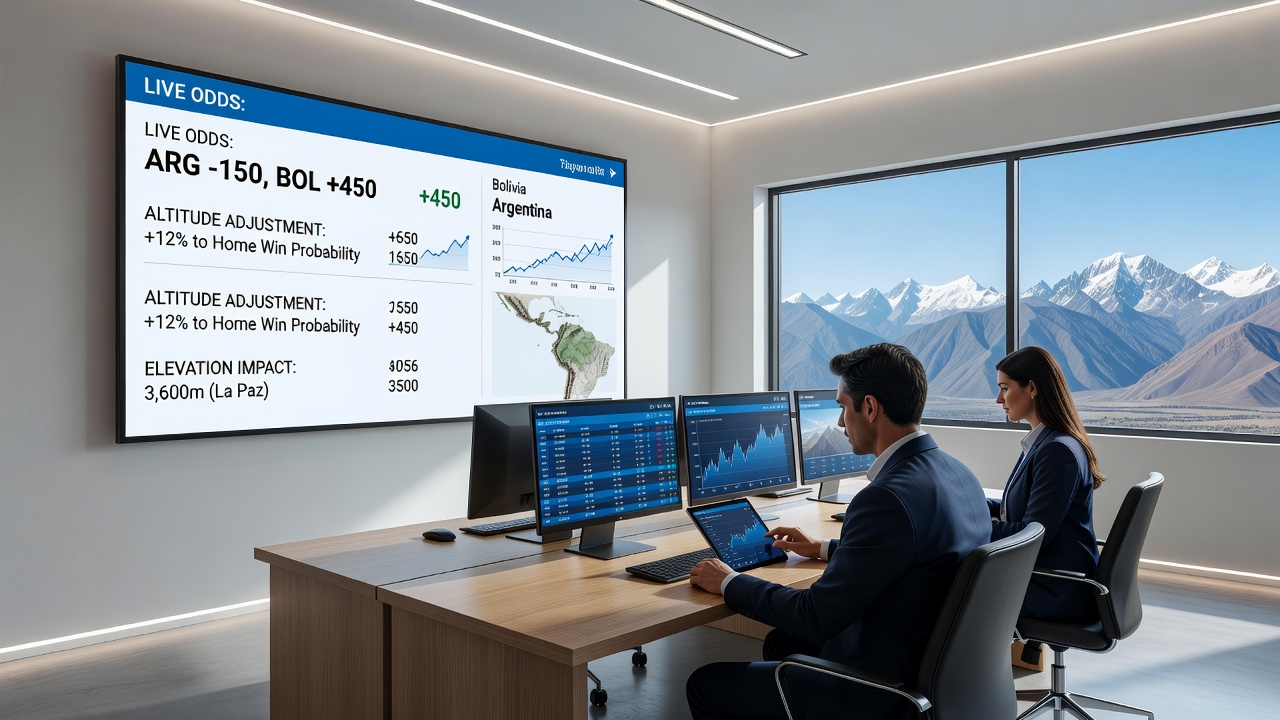
Operators integrate altitude-specific algorithms into their pricing engines, and these models factor historical performance gaps between acclimatized and non-acclimatized squads. When matches kick off in La Paz, initial live lines often open with conservative totals, yet rapid adjustments follow once early possession and shot data confirm expected patterns. Traders at international firms monitor heart-rate telemetry leaks and GPS reports where available, then recalibrate spreads on corners, cards, and player props accordingly.
August 2026 fixtures already scheduled at multiple Andean venues show operators preparing similar frameworks, with pre-match totals set lower than equivalent sea-level encounters and live markets programmed for quicker volatility once the second half begins.
Examples from CONMEBOL Campaigns
One notable 2025 qualifier in Quito saw the visiting side concede two late goals after maintaining a compact defensive shape for 70 minutes, and live under-2.5 markets moved sharply once fatigue metrics surfaced. In another La Paz encounter, the home team recorded 18 percent fewer high-intensity runs after the interval, prompting in-play over markets on the opposition to shorten as the match progressed. Observers tracking these outcomes note that such shifts reward bettors who follow real-time physical data rather than static pre-match models.
Industry reports from organizations such as the Sports Integrity Initiative highlight how altitude venues continue to create information asymmetry between casual and data-focused participants in live markets.
Broader Implications for 2026 Cycle
The ongoing qualifiers demonstrate that altitude remains a persistent variable rather than an occasional factor, and governing bodies including CONMEBOL continue to schedule high-elevation matches without rotation. This consistency allows statistical models to refine further, and live odds providers incorporate additional variables such as travel distance, recovery windows, and historical acclimatization timelines into their systems. Those monitoring the sector note that markets at these venues now react faster than in previous cycles because automated feeds deliver performance data within seconds of each event.
Conclusion
Altitude venues in South America continue to exert measurable influence over live betting outcomes during CONMEBOL qualifiers, and operators respond with increasingly granular adjustments based on documented physiological and statistical evidence. As the 2026 cycle advances, these dynamics remain central to in-play pricing strategies across the region.