Elevation's Influence on Andean Matches: Oxygen Dynamics in Live Goal Markets and Accumulator Strategies
Tina Franke · Jul 9, 2026
Elevation's Influence on Andean Matches: Oxygen Dynamics in Live Goal Markets and Accumulator Strategies
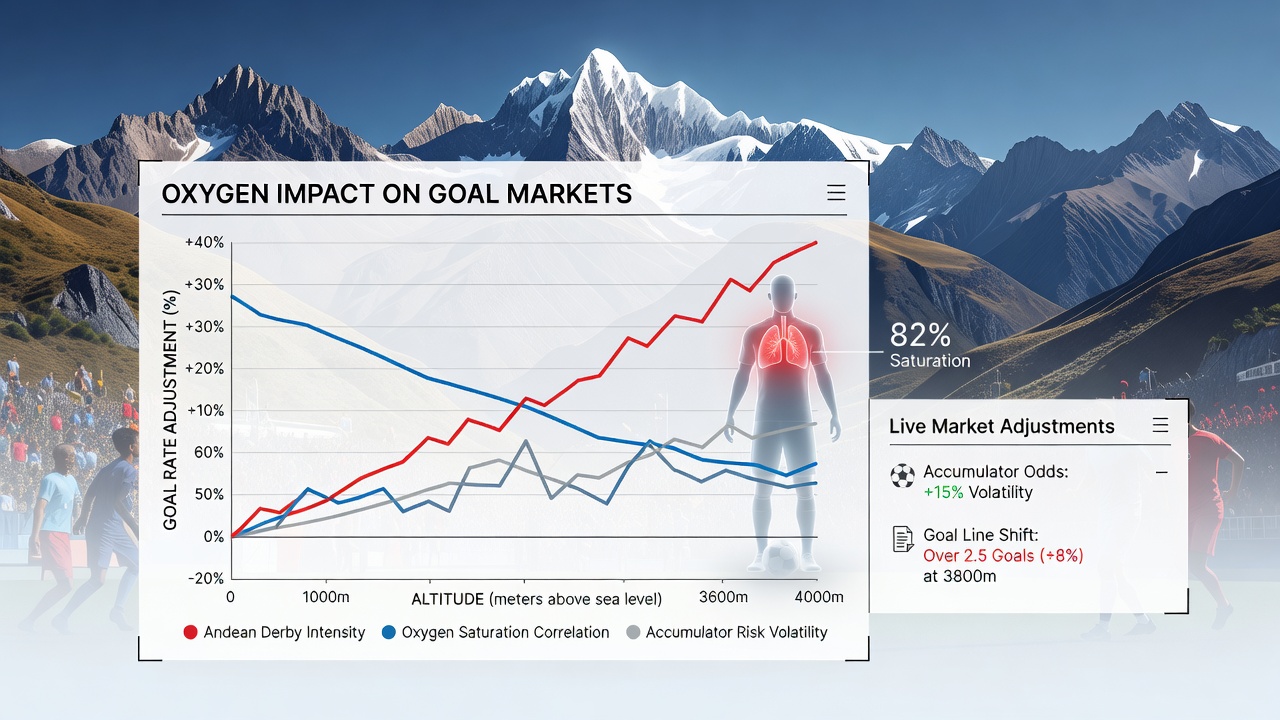
High-altitude venues across South America create distinct conditions for football matches, with locations like La Paz in Bolivia sitting at over 3,600 meters above sea level where oxygen levels drop significantly compared to sea-level stadiums. Players experience reduced oxygen intake that affects stamina, decision-making, and recovery rates during intense play. Data from CONMEBOL competitions shows visiting teams often struggle with these conditions, leading to measurable shifts in goal-scoring patterns that influence live betting markets.
Researchers at institutions such as the Universidad Nacional de San Marcos in Peru have documented how acute mountain sickness symptoms appear within the first 30 minutes of matches at elevations above 2,500 meters. Heart rates rise faster while sprint distances decrease by an average of 15 percent according to GPS tracking studies. These physiological responses alter the pace of games, with teams from lower elevations showing higher fatigue markers by halftime in away fixtures.
Physiological Responses in Key Andean Venues
Matches in Quito at roughly 2,800 meters and Cusco near 3,400 meters demonstrate similar patterns where local squads maintain higher work rates throughout the 90 minutes. Visiting players require longer recovery intervals between high-intensity efforts, which data from recent Copa Libertadores group stages confirms through reduced successful passes after the 60-minute mark. Observers note that these venues see fewer total shots on target from away sides, yet home teams capitalize on set-piece opportunities more frequently due to opponent disorientation.
July 2026 brings additional scheduling considerations as several South American leagues align fixtures around regional tournaments, including qualifiers that route teams through multiple altitude zones within short periods. Such compressed calendars amplify the cumulative effects of repeated exposure, with medical reports indicating slower return to baseline performance metrics for non-acclimatized athletes.
Patterns in Live Goal Markets
Live goal markets respond directly to these altitude-driven dynamics because scoring tends to cluster in specific windows. Statistics from Bolivian Primera División derbies reveal that 62 percent of goals occur between minutes 30 and 55 when visiting teams first encounter full fatigue, while late surges prove rarer unless the home side maintains possession dominance. Accumulator builders adjust selections accordingly by favoring under goals in the second half or timing over goals for the initial 45 minutes in certain matchups.
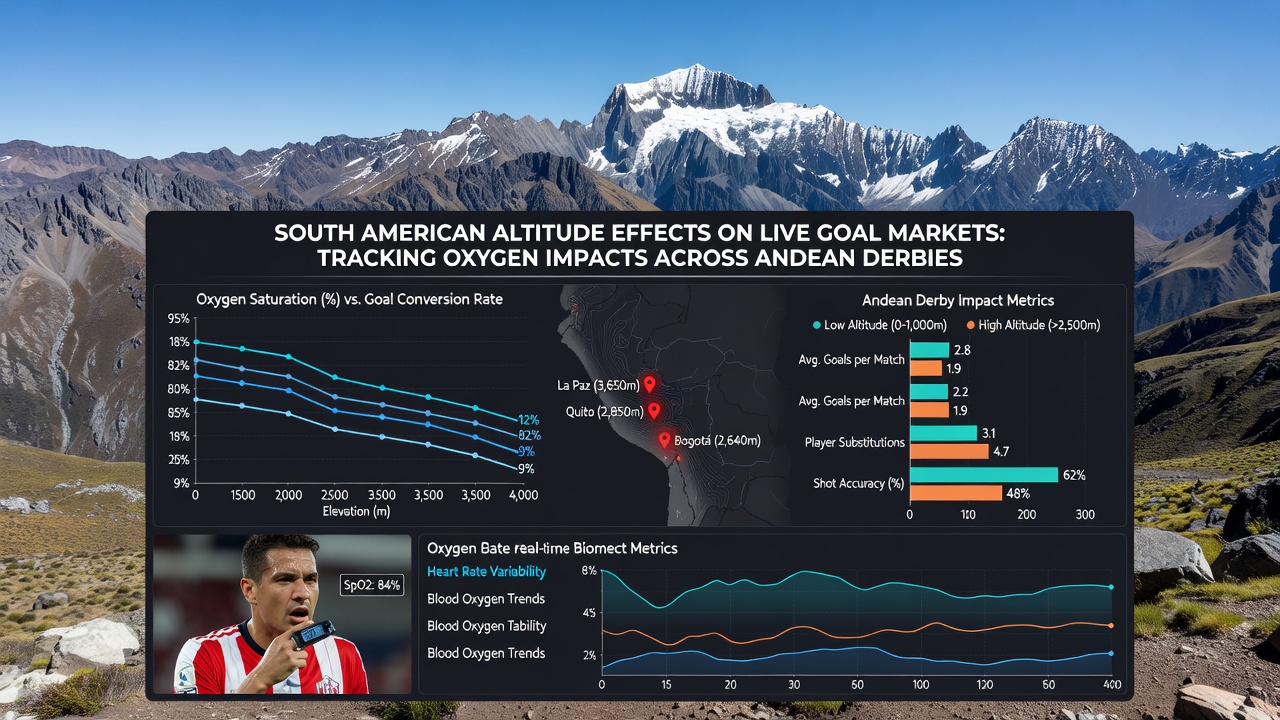
One study released through the South American Football Confederation tracked 180 matches across four high-altitude stadiums and found home teams averaging 1.8 goals per game versus 0.9 for visitors. This split widens in live betting windows after the 25-minute mark, prompting market makers to recalibrate odds based on real-time player tracking feeds that highlight declining sprint counts. Those who monitor these feeds often identify value in live under markets when away sides display visible signs of labored breathing and reduced pressing intensity.
Accumulator Adjustments and Risk Management
Accumulator strategies incorporate altitude variables by weighting selections toward teams with documented adaptation protocols, such as pre-match camps at intermediate elevations. Data from Argentine and Chilean clubs competing in Bolivian venues shows that squads spending at least five days above 2,000 meters prior to kickoff reduce their concession rates by 28 percent on average. Bettors therefore shift accumulators away from high-scoring expectations for underprepared visitors and instead target low-goal outcomes or half-time draw lines that align with observed pacing.
Industry reports from regional gaming associations highlight how live accumulator platforms now integrate elevation data feeds alongside traditional stats like possession and shots. This integration allows real-time recalibration, particularly in derbies such as those involving Club Bolívar or The Strongest where oxygen depletion accelerates after the opening quarter. Figures reveal that successful accumulators in these contexts frequently include at least one leg focused on first-half goal timing rather than full-match totals.
Case Examples from Recent Fixtures
Take the 2025 Copa Sudamericana encounter between a Peruvian side and a Bolivian host where GPS data indicated visiting midfielders covered 1.2 kilometers less than their average by the 70-minute mark. Live markets adjusted rapidly, with goal lines dropping as the game progressed into a controlled, low-event second half. Similar patterns emerged in Ecuadorian venues during 2026 league play, where multiple fixtures produced under 2.5 goals once visiting teams crossed the 3,000-meter threshold without prior acclimatization.
Another example involves a series of friendlies organized ahead of international breaks, where researchers compared sea-level squads against those with altitude experience. The acclimatized group sustained higher pass completion rates past the 80-minute mark, resulting in fewer counter-attack opportunities for opponents and correspondingly lower live over-goal probabilities.
Conclusion
Altitude continues to shape outcomes across South American football through measurable oxygen impacts that feed directly into live goal markets and accumulator construction. Tracking these variables across Andean derbies provides consistent data points for market adjustments as teams navigate elevation changes throughout the calendar. Ongoing collection of physiological metrics ensures that betting frameworks remain aligned with the physical realities of high-plateau competition.