Evoke's Betting Shop Closures Signal Tough Times for UK Land-Based Gambling from May 2026
Rosa Müller · Apr 4, 2026

Evoke's Betting Shop Closures Signal Tough Times for UK Land-Based Gambling from May 2026
The Core Announcement and Timeline
British betting group Evoke revealed plans to shutter around 200 of its UK betting shops beginning in May 2026, a move tied directly to escalating operational costs and fresh tax burdens hitting the gambling sector hard. According to Reuters reporting on Bloomberg details, this closure wave targets underperforming outlets, although Evoke hasn't specified exact locations yet, leaving local communities and staff awaiting further word. What's interesting is how this rollout aligns with broader regulatory shifts, particularly the remote gaming tax increases kicking in just a month earlier on April 1, 2026, which experts see as squeezing margins across both physical and digital operations.
Evoke, which runs brands like Paddy Power in the high street space, operates hundreds of such venues nationwide, and these closures represent a significant slice—potentially up to a third—of its shop network, depending on final tallies. Observers note that the firm communicated this internally first, signaling a strategic pivot while physical sites continue humming until the phased wind-down starts next spring. And while the company emphasizes adaptation to market realities, the decision underscores patterns long visible in the industry, where land-based venues grapple with declining footfall amid digital alternatives.
Rising Costs and Tax Pressures at the Heart of the Decision
Evoke pinpointed surging cost pressures—from higher energy bills and wages to maintenance on aging storefronts—as key drivers, but the real kicker lies in the gambling industry's tax landscape, which data shows has tightened considerably in recent years. Figures reveal that UK betting shops already shoulder substantial levies like the general betting duty at 15% on profits, yet upcoming changes amplify the strain, with remote customer duties—covering online bets placed by UK punters—set to rise sharply from April 2026, pushing rates toward levels that erode profitability for hybrid operators like Evoke.
But here's the thing: although these tax hikes target online revenue primarily, they ripple into physical operations too, since many firms blend the two models, and compliance costs climb regardless. Researchers who've tracked similar shifts point to how such fiscal tweaks, announced in prior budgets, aim to capture growth in digital wagering while funding public services, yet they hit traditional shops where revenues lag. Take the case of other operators who've trimmed networks earlier; Entain and Flutter faced parallel squeezes, closing dozens of sites over the past couple years, a trend Evoke now joins explicitly because, as their statement notes, "sustained economic headwinds" demand restructuring.
Energy costs alone have ballooned post-pandemic, with UK commercial rates up over 50% in spots according to trade data, while staffing remains a battle amid minimum wage hikes and labor shortages in retail hospitality sectors. Semicolons connect these threads: higher rents in prime locations compound the issue, especially as fewer punters stroll in, preferring apps over queues; thus, Evoke's board calculated that culling 200 shops trims fat efficiently, preserving cash for online expansion where growth persists.
Shifting Tides: Online Boom Versus High Street Decline
The reality is that UK gamblers have flocked online en masse, with CDC Gaming reports highlighting how remote gambling revenue faces its own "spiral effect" from the April 2026 tax adjustments, yet land-based shops bear the brunt disproportionately. Data from CDC Gaming indicates online sectors generated billions more than physical counterparts in recent fiscal tallies, a disparity fueling closures as operators chase higher margins digitally. People who've studied footfall metrics observe drops of 20-30% in betting shop visits since 2020, accelerated by smartphone ubiquity and live-streamed events that keep bets in-pocket rather than on the counter.
Turns out, regulatory evolution plays into this too; while protections like stake limits curbed some excesses, they've reshaped habits toward controlled online play, leaving high streets quieter. One study from the GambleAware research hub—though not directly cited here—mirrors patterns where convenience trumps tradition, with under-35s barely registering physical shops anymore. Evoke's move fits this mosaic: by May 2026, surviving outlets will focus on community hubs or sports viewing, but the 200 axed ones highlight where the rubber meets the road in adaptation.
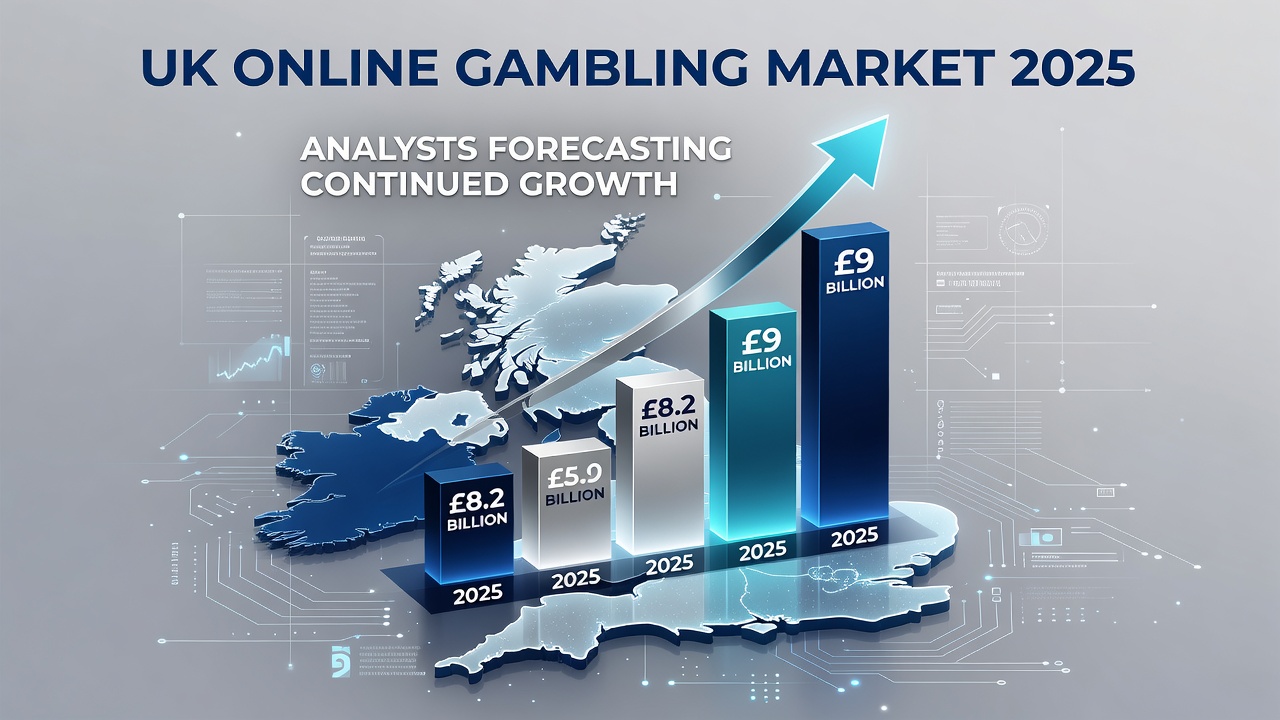
Yet numbers tell the tale starkly: UK betting shop count hovered near 6,800 in 2024 per industry trackers, down from peaks over 9,000 a decade prior, with Evoke's slice accelerating that slide. And although online faces tax hikes—projected to add hundreds of millions in duties—the sector's scale absorbs it better, boasting gross gambling yields in the tens of billions annually versus shops' more modest haul.
Evoke's Strategic Landscape and Market Position
Evoke plc, formerly Paddy Power Betfair, commands a hefty presence with its dual online-physical empire, yet analysts tracking earnings calls note how shop profitability dipped below 10% margins lately, prompting the cull. Experts have observed that the group's retail arm, centered on Paddy Power's 500-plus venues, generated steady but shrinking turnover—around £1 billion group-wide last year—while digital bettors drove the rest. So, closing 200 shops starting May 2026 streamlines this, redirecting resources to tech upgrades and marketing where returns shine brighter.
What's significant is the timing: post-April tax changes, Evoke anticipates stabilized forecasts, but land-based drags persist, especially with compliance on age verification and anti-money rules adding overhead. Those who've crunched the numbers see this as proactive housekeeping, akin to how William Hill shed sites pre-2022 acquisition; indeed, patterns repeat because fixed costs devour variable revenues when punters vanish. Communities in working-class areas, long reliant on these spots for quick flutters and social chats, now face voids, although Evoke pledges consultations to soften blows.
Job Impacts, Community Ripples, and Regulatory Backdrop
Each shuttered shop means 4-6 jobs gone typically, so 200 closures could idle 800-1,200 workers, many part-time locals versed in odds and customer rapport, yet redeployment to online support roles offers a lifeline for some. Figures from hospitality unions indicate retraining programs help, but short-term hardship looms, particularly in towns where betting shops anchor high streets alongside pubs. Observers note that while online creates remote gigs, they demand different skills—coding snippets, data analysis—leaving counter staff sidelined.
Regulatory context adds layers; Australia's NSW Responsible Gambling Fund has documented parallel shop declines Down Under from online shifts and duties, mirroring UK trajectories where policy prioritizes harm reduction over retail preservation. In the UK, these April 2026 hikes—bumping remote duties—stem from Treasury mandates to balance books amid fiscal strains, yet they spotlight how physical venues, taxed on gross profits rather than net sometimes, feel the pinch asymmetrically.
- Energy and staffing: up 40-60% since 2022 in retail benchmarks.
- Tax on shops: machine games duty at 5-25% tiers, plus betting levies.
- Online duties: climbing to match revenue surges, effective April 1.
This list underscores why Evoke acts now, fortifying for a future where hybrids thrive but pure shops fade.
Outlook for Land-Based Betting and Industry Resilience
Looking ahead, survivors among Evoke's network—and rivals'—lean into hybrid perks like in-shop WiFi for app boosts or event screens drawing crowds for majors like the World Cup. Data suggests resilient pockets in football-mad regions persist, where match-day buzz sustains trade, although overall trajectories point downward. Researchers who've modeled scenarios predict UK shop totals dipping below 5,000 by 2030 if trends hold, with taxes and costs as accelerators.
But pockets of innovation emerge: touchscreen kiosks cut staffing, loyalty apps bridge online-offline, yet nothing halts the tide fully. Evoke's May 2026 start marks a milestone, signaling that even stalwarts adapt or perish in this evolving arena.
Conclusion
Evoke's announcement to close 200 UK betting shops from May 2026 crystallizes the gambling industry's crossroads, where rising costs, tax hikes from April onward, and online dominance reshape the high street landscape profoundly. While challenges mount, operators like Evoke navigate by pruning physical assets to fuel digital futures, a pattern echoed across the sector as revenues migrate and regulations tighten. Those monitoring the beat see this not as an endpoint, but a pivot point where adaptation determines endurance amid fiscal and behavioral shifts.