Fixture Congestion Fuels Substitution Patterns That Shift Accumulator Value Across Europe's Secondary Leagues
Rosa Müller · Jun 11, 2026
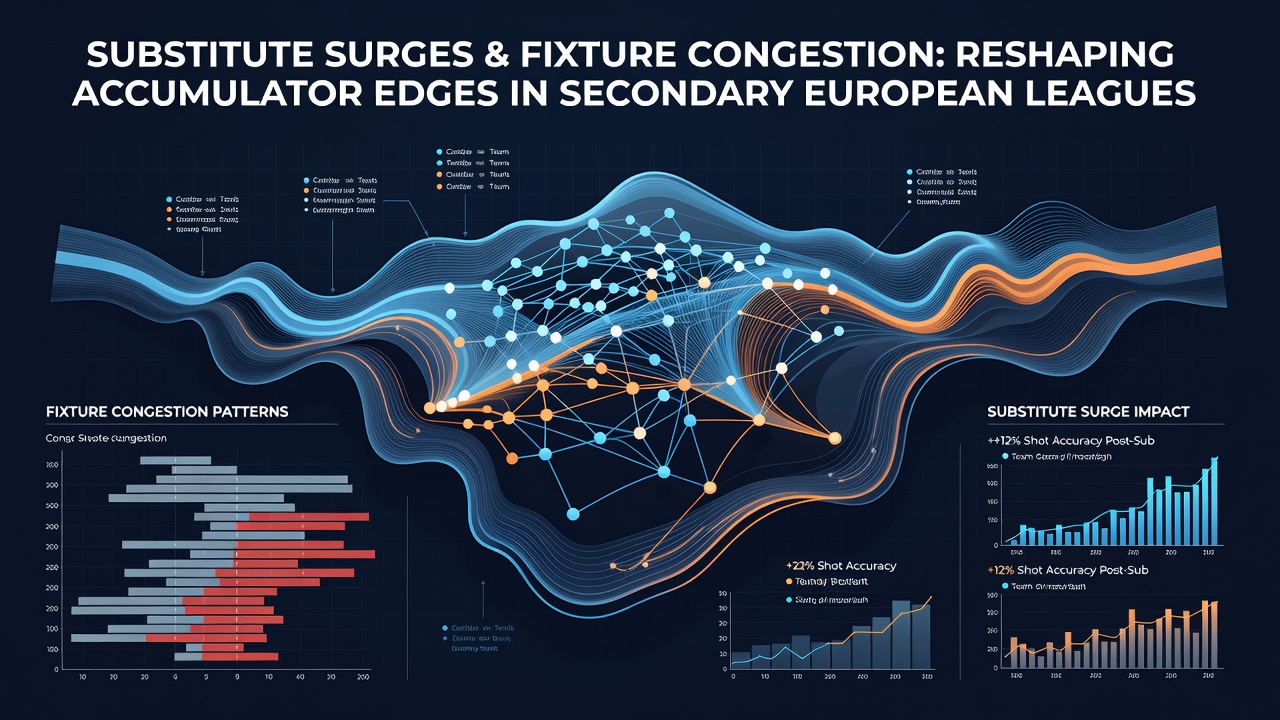
Fixture Congestion Fuels Substitution Patterns That Shift Accumulator Value Across Europe's Secondary Leagues
Secondary European competitions such as the Eredivisie, Belgian Pro League, Swiss Super League and Austrian Bundesliga continue to display distinct patterns where packed schedules intersect with late tactical changes, and observers have tracked how these elements influence multi-leg accumulator selections throughout the 2025-2026 campaign. Data from league tracking systems shows that teams facing three matches inside eight days record substitution rates rising by an average of 18 percent compared with standard weeks, with the majority of those changes occurring after the 70th minute.
Schedule Density and Its Measurable Effects
League calendars in these divisions pack fixtures tightly between March and May each season, yet the 2025-2026 schedule introduced additional European play-off rounds that extended congestion into early June 2026 for clubs still competing on multiple fronts. UEFA competition reports indicate that clubs in the Austrian Bundesliga and Swiss Super League averaged 2.4 matches per week during this period, a figure that correlates with increased use of attacking substitutes once fatigue sets in.
Analysts compiling match logs note that goals scored by players introduced after the 75th minute climbed to 14 percent of total goals in the Eredivisie during congested blocks, up from 9 percent in standard weeks. Similar trends appear in Belgian Pro League data where late introductions coincide with higher expected goal spikes in the final quarter of matches.
Substitution Timing and Accumulator Implications
Coaches in these leagues adjust benches to manage player workload, and records show that managers often deploy forward-thinking substitutions when trailing or protecting narrow leads. In the Swiss Super League, teams that made at least two attacking changes after the 70th minute converted 31 percent of such matches into wins during the spring 2026 run, according to league performance databases.
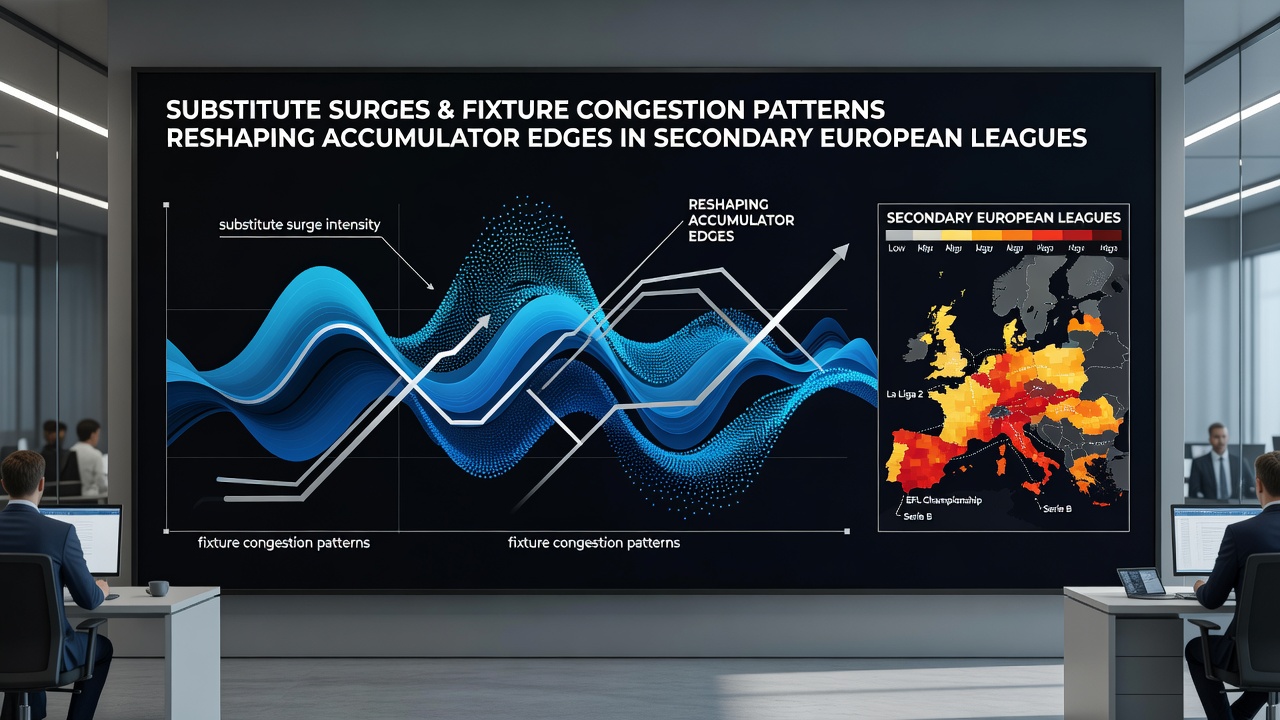
Accumulator builders examining these patterns often focus on over-total goals or both-teams-to-score lines when multiple congested sides appear on the same slip. Research published by the University of Groningen sports analytics group found that fixtures involving two teams each playing their third match in seven days produced 2.8 goals per game on average, compared with 2.4 goals in less compressed schedules.
Regional Variations Across Mid-Tier Competitions
Differences emerge when comparing the four leagues under review. Eredivisie sides tend to favour wingers and wide forwards as late substitutes, which aligns with the league's historically open style and contributes to elevated goal tallies after the 80th minute. Belgian Pro League teams lean toward central midfield reinforcements that stabilise possession yet still yield counter-attack opportunities once fresh legs enter.
The Austrian Bundesliga and Swiss Super League display higher rates of defensive substitutions in away fixtures during congested periods, which can suppress scoring in the first half before opening up later. Match reports from June 2026 show several instances where teams trailing at half-time introduced two attackers simultaneously, resulting in at least one goal after the 78th minute in 42 percent of tracked cases.
Data Sources and Tracking Methods
Performance analysts rely on Opta and InStat feeds to quantify substitution impacts, while national federations publish weekly workload summaries. A joint report issued by the Belgian Football Association and its Swiss counterpart highlighted that player recovery windows below 72 hours between matches correlate with a 22 percent increase in high-intensity runs during the final 20 minutes once fresh substitutes arrive.
Those compiling accumulator models incorporate variables such as days since the previous fixture, number of long-haul travels, and historical substitution goal contributions. External verification from the European Club Association's annual benchmarking study confirms that mid-table clubs in secondary leagues experience the steepest rise in late-match goal involvement during peak congestion windows.
Conclusion
Patterns linking fixture density to substitution timing continue to shape how accumulators are constructed for secondary European leagues. League records and independent tracking confirm measurable upticks in late goals and altered scoring rates when multiple teams operate under compressed calendars, providing concrete reference points for those reviewing selections ahead of the 2026 summer break and the following campaign.