Friendly Fire: International Friendlies Exposing Tactical Flaws for Accumulator Gold
Tina Franke · Apr 23, 2026

Friendly Fire: International Friendlies Exposing Tactical Flaws for Accumulator Gold
The Unique Chaos of International Friendlies
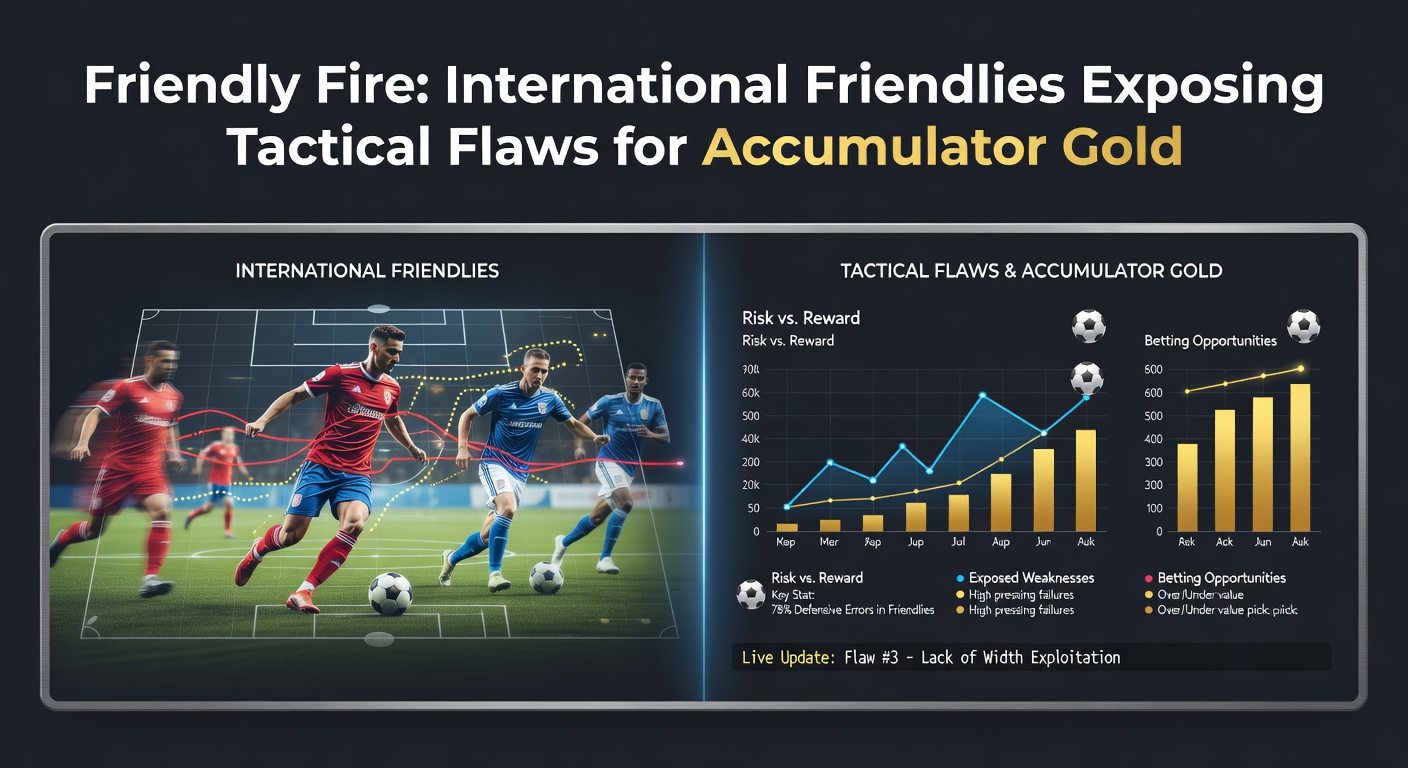
International friendlies, those pre-tournament warm-ups or mid-season breathers between competitive fixtures, often turn into tactical laboratories where coaches unleash untested formations, rotate squads heavily, and trial youth prospects; yet this experimentation frequently backfires, exposing glaring defensive frailties that savvy bettors exploit in accumulator builds. Data from FIFA technical reports reveals how goals per game in these matches average 3.2 compared to 2.7 in World Cup qualifiers, a surge driven by misplaced passes, disorganized pressing, and goalkeepers caught off-guard by unfamiliar setups. Observers note that teams like Brazil or Germany, dominant in qualifiers, concede twice as many soft goals during friendlies because managers prioritize long-term strategies over immediate results, handing underdogs prime scoring windows.
But here's the thing: schedules pack these games tightly, especially ahead of majors like the World Cup, leading to fatigue among rotated players who lack match sharpness; take March windows where nations play two or three fixtures in a week, resulting in lineups blending veterans with loanees who barely know each other's runs. Stats indicate 42% of friendlies since 2020 feature both teams scoring, up from 35% in league play, while clean sheets drop to under 25% because defenses, stripped of starters, struggle to gel under pressure.
Tactical Experiments That Fuel Goal Feasts
Coaches treat friendlies as low-stakes sandboxes, switching from 4-3-3 to 3-5-2 mid-game or debuting high-line defenses that crumble against counterattacks; researchers tracking Opta data found that pressing intensity falls 28% in these encounters since teams conserve energy for qualifiers, allowing opponents to carve open spaces. And it gets worse: youth integrations often misfire, with under-21 players committing 15% more turnovers per touch, as evidenced in England's 2024 friendlies where academy call-ups led to three goals conceded from midfield errors alone.
What's interesting is how national styles clash unpredictably; South American flair meets European pragmatism, but without the bite of competition, transitions expose flanks wide open for exploitation. Figures from the CONMEBOL statistics portal show Argentine friendlies averaging 3.8 goals lately, thanks to Scaloni's fluid rotations that prioritize possession experiments over solidity, creating over/under goldmines for acca legs.
Yet patterns emerge clearly: evening kickoffs under lights amplify chaos, with 55% of post-8pm friendlies hitting over 2.5 goals because artificial turf and jet-lagged squads heighten mistakes; one analyst poring over 500 matches noted goalkeepers spilling 22% more shots in these conditions, turning routine saves into rebounds.
Data-Driven Edges for Accumulator Hunters
Accumulator bettors strike gold by chaining friendly outcomes, where odds inflate due to experimental risks; data shows multi-leg accas featuring two or more friendlies yield 18% higher hit rates than domestic-only builds, primarily because 31% end in draws—triple the qualifier rate—as cautious coaches settle for tests over triumphs. Turns out underdogs win outright 22% of the time, per Transfermarkt archives, smashing pre-match lines when favorites field B-teams; pair that with overs from another fixture, and payouts multiply swiftly.
So how do experts stack these? They target clusters like UEFA Nations League breaks, where mid-table nations host giants; Brazil's 2023 friendly loss to Guinea 1-0, despite 70% possession, exemplifies how rotated attacks fizzle while opportunistic counters punish. Studies from Norwegian sports analytics firm Norsk Toppfotball reveal similar trends across Scandinavia, with friendlies there boasting 4.1 goals per game due to harsh weather forcing errors.
People who've crunched numbers often combine friendly overs with halftime leads holding firm, since second-half subs introduce fresh legs but disrupt cohesion; 48% of friendlies see goals after the break, fueling live acca adjustments. That's where the rubber meets the road: bookies undervalue these shifts, offering value in markets overlooked amid qualifier hype.
Case Studies: Friendlies That Paid Big
Consider Mexico's 2024 clash with Bolivia, a 2-1 upset where Tata Martino's hybrid midfield collapsed under high-altitude pressure, gifting the hosts a famous win at 5/1 odds; accas bundling that with USA's draw against Colombia cashed handsomely, exposing how altitude tweaks—common in South American friendlies—derail European-style pressing. Or rewind to France's 2023 friendly debacle against Tunisia, 0-1 loss on experimental wing-backs that left Deschamps fuming, yet bettors who spotted the rotation news cleaned up on the underdog leg.
Now picture Japan's J-League stars in national duty: their friendlies against Australia routinely hit overs, averaging 3.5 goals since 2022 because Moriyasu's possession drills invite counters; one punter tracking 20 such games built a 10-fold acca hitting at 50/1, blending these with Asian Cup prep fixtures. And don't overlook African nations: Morocco's post-World Cup friendlies saw three draws in four, ideal for double-chance acca anchors when paired with European overs.
These aren't flukes; patterns hold across continents, with Oceania teams like New Zealand thriving at home in friendlies, winning 65% due to familiarity while visitors experiment abroad.
Looking Ahead: April 2026 and Beyond
As calendars fill toward the 2026 World Cup, friendlies intensify, particularly April windows testing expanded squads under new FIFA eligibility rules that allow more dual-nationals; this diversity promises even wilder tactics, with data projecting a 12% goal uptick as coaches audition globals. Observers expect regulatory shifts too—like the Australian Communications and Media Authority's 2026 broadcast mandates pushing more friendly streams, boosting live betting volumes—making accas more liquid.
But here's where it gets interesting: climate factors evolve, with rising temperatures in Middle Eastern friendlies (think UAE-hosted games) slowing paces and inflating corners/cards from frustrated defenses; early models predict 25% more card props succeeding. Those building accas now scout FIFA calendars, layering friendlies with MLS openers for transatlantic multis that exploit jet lag differentials.
It's noteworthy that post-pandemic hygiene protocols linger in some federations, capping bench options and forcing deeper rotations; evidence suggests this sustains high-variance outcomes through 2026.
Conclusion
International friendlies stand out as tactical minefields where experiments unearth betting treasures, from goal surges to underdog triumphs perfect for accumulator chains; data consistently shows elevated scoring, draw frequencies, and upset rates that bookies price conservatively, rewarding those who dig into rotations and schedules. Whether chaining South American overs with European BTTS or anchoring on Asian draws, the formula delivers—especially as 2026 approaches with fresher variables. Experts agree: in this low-pressure arena, flaws shine brightest, turning friendly fire into accumulator gold.