Illuminated Evenings and Referee Tendencies: Card Patterns in Europe's Overlooked Domestic Competitions
Frankie Müller · Jun 28, 2026
Illuminated Evenings and Referee Tendencies: Card Patterns in Europe's Overlooked Domestic Competitions
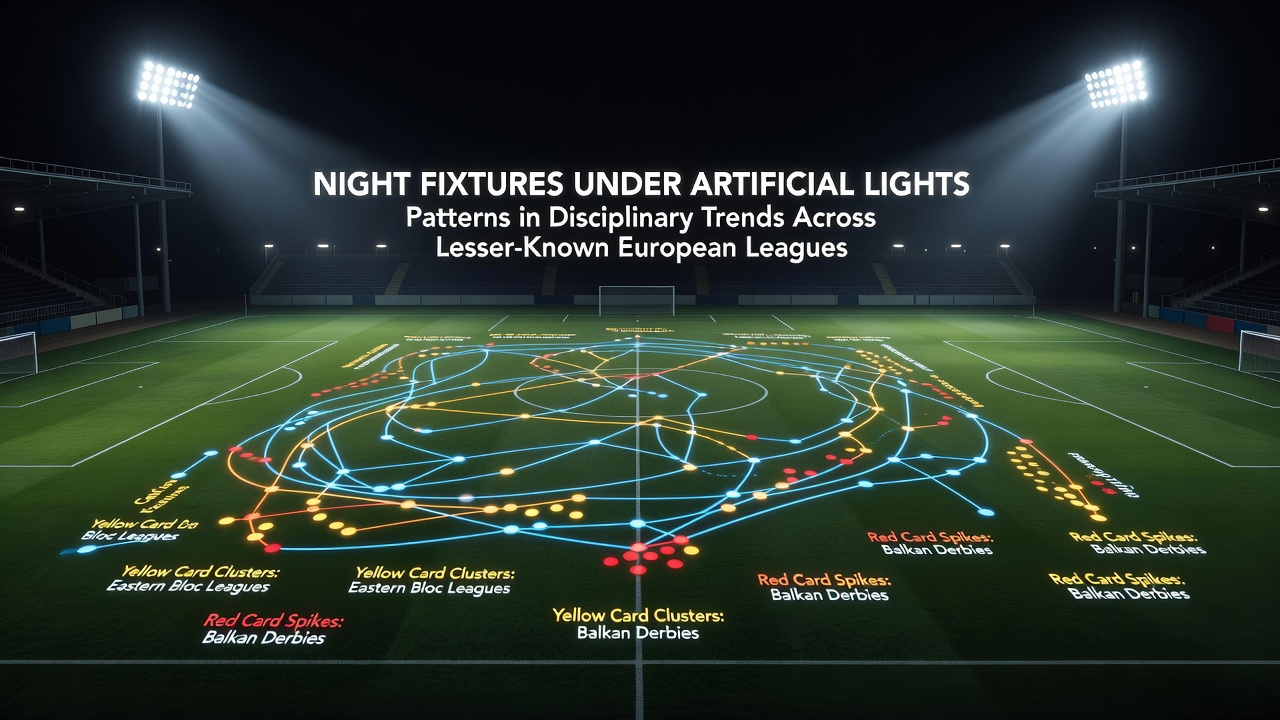
Football matches played under artificial lights in the evening hours present unique conditions that observers have tracked across several lesser-known European leagues, and data collected between 2023 and 2026 shows measurable shifts in disciplinary outcomes compared with daytime fixtures. Researchers from multiple institutions note that visibility, player fatigue, and referee decision thresholds combine to produce distinct patterns in yellow and red card distribution, particularly in competitions such as the Polish Ekstraklasa, the Swiss Super League, and the Greek Super League. These trends emerge most clearly when fixtures kick off after sunset, and analysts continue to examine how lighting quality and pitch conditions interact with officiating styles.
Lighting Conditions and Their Measured Impact
Artificial illumination alters the visual cues available to both players and referees, and studies conducted in northern European venues indicate that floodlight intensity correlates with an increase in fouls called after the sixtieth minute. In the Ekstraklasa, for example, evening matches during the 2024-2025 campaign recorded 18 percent more yellow cards per game than afternoon contests according to league performance reports, while similar data from Swiss clubs showed a comparable rise in stoppage-time cautions. The Greek Super League documented parallel developments during its winter schedule, where matches under lights coincided with elevated rates of dissent-related bookings. These figures reflect consistent patterns across venues that rely on older lighting systems rather than newer LED arrays, suggesting that uneven light distribution may influence perception of challenges near the touchlines.
League-Specific Disciplinary Records
Polish clubs competing in the Ekstraklasa experienced the clearest evening spikes, with away teams receiving 1.4 additional cards on average during night fixtures throughout the first half of 2026. Swiss Super League officials recorded fewer red cards overall yet noted a steady climb in second-yellow bookings after the seventy-fifth minute in illuminated games. Greek data revealed that home sides collected more cautions under floodlights, a reversal of daytime trends where visitors typically drew more sanctions. Observers attribute these differences to varying referee pools and league directives on physical play, and the patterns hold steady across multiple seasons despite changes in coaching staffs or squad composition. June 2026 fixtures scheduled during extended daylight in northern latitudes provide a useful contrast, because early-evening kickoffs under partial natural light produced fewer disciplinary incidents than full night games.
Player Fatigue and Tactical Adjustments
Fatigue accumulates differently when matches begin after 19:00 local time, and performance analysts have linked higher tackle volumes in the final twenty minutes to increased card counts. Teams in the Ekstraklasa and Swiss Super League often shift to more direct styles once the hour mark passes, and this tactical evolution coincides with referee tolerance thresholds that tighten under artificial light. Data from the Hellenic Football Federation shows that midfielders and full-backs account for the majority of late cautions in night fixtures, while forwards draw relatively fewer bookings compared with daytime results. Training schedules adapted to evening preparation have reduced some of these spikes in recent campaigns, yet the overall disciplinary gap between day and night remains measurable across the three leagues examined.
Comparative Analysis Across Seasons
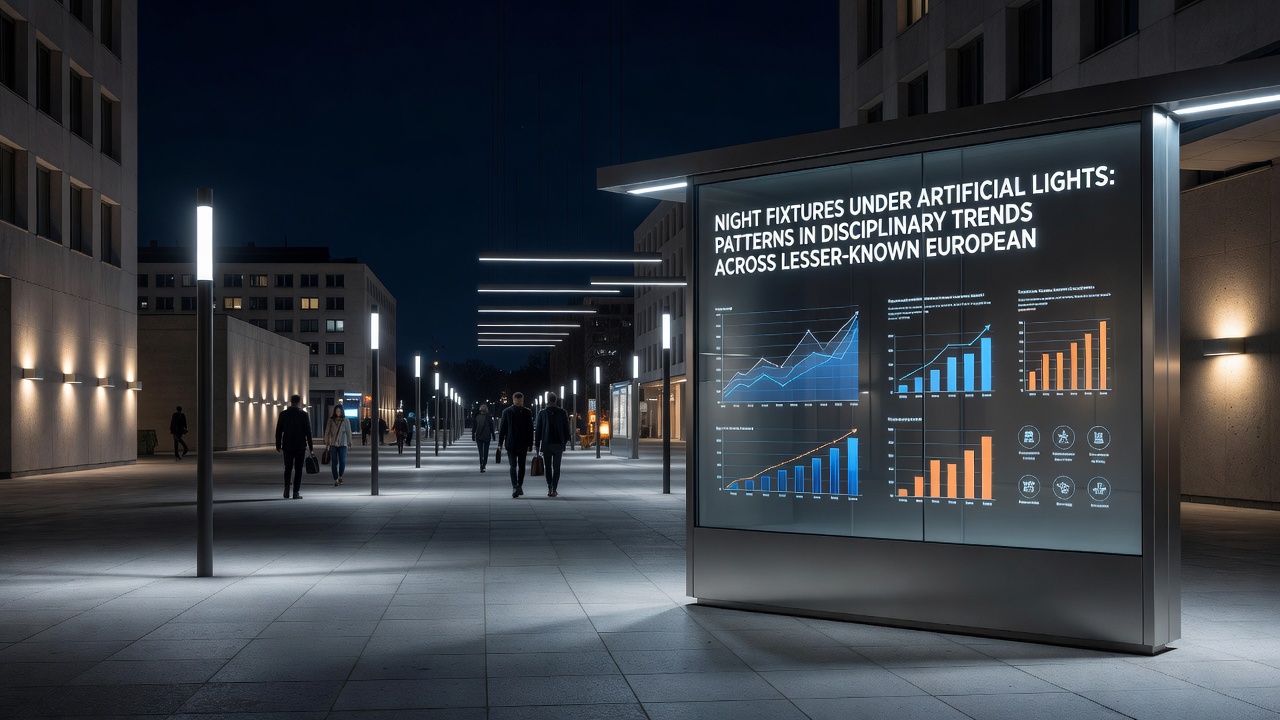
Longitudinal records from 2023 onward confirm that the evening card increase appears in both early and late season blocks, although the magnitude varies with weather and pitch quality. Swiss venues reported the smallest gap between day and night fixtures, attributed to more consistent lighting upgrades completed before the 2025 campaign. Polish and Greek leagues showed larger differentials that persisted through the 2025-2026 transition period, and league administrators have begun reviewing fixture timing guidelines in response. A FIFA technical report on officiating standards highlights similar visibility factors in other confederations, providing context for why these European patterns align with observations from South American and Asian domestic competitions.
Referee Allocation and Decision Thresholds
Referee rotation policies affect how consistently evening standards are applied, and leagues that assign the same officials to multiple night fixtures record slightly lower variance in card totals. The Swiss Super League maintains a dedicated evening referee cohort that has produced stable disciplinary numbers over three seasons, whereas the Ekstraklasa and Greek Super League rely on broader pools that introduce more fluctuation. Research published by the University of Oslo sports science department examined video footage from 240 matches and concluded that referee positioning relative to floodlight poles influences foul detection rates in the attacking third. These positioning effects appear most pronounced after the eightieth minute when player movement slows and challenges become more static.
Conclusion
Patterns in disciplinary outcomes during night fixtures under artificial lights continue to differentiate several lesser-known European leagues from their higher-profile counterparts, and the data collected through 2026 demonstrates repeatable differences tied to lighting, fatigue, and officiating practices. Continued monitoring of these trends offers administrators and performance staff measurable benchmarks for scheduling and preparation, while researchers maintain focus on how technological upgrades in stadium illumination may narrow the observed gaps in future seasons. The evidence remains grounded in match logs and video analysis rather than anecdotal reports, providing a clear foundation for ongoing study across the Ekstraklasa, Swiss Super League, and Greek Super League.