International Breaks and Domestic League Outcomes: Shifts in Key Performance Indicators
Petra Schröder · May 31, 2026
International Breaks and Domestic League Outcomes: Shifts in Key Performance Indicators
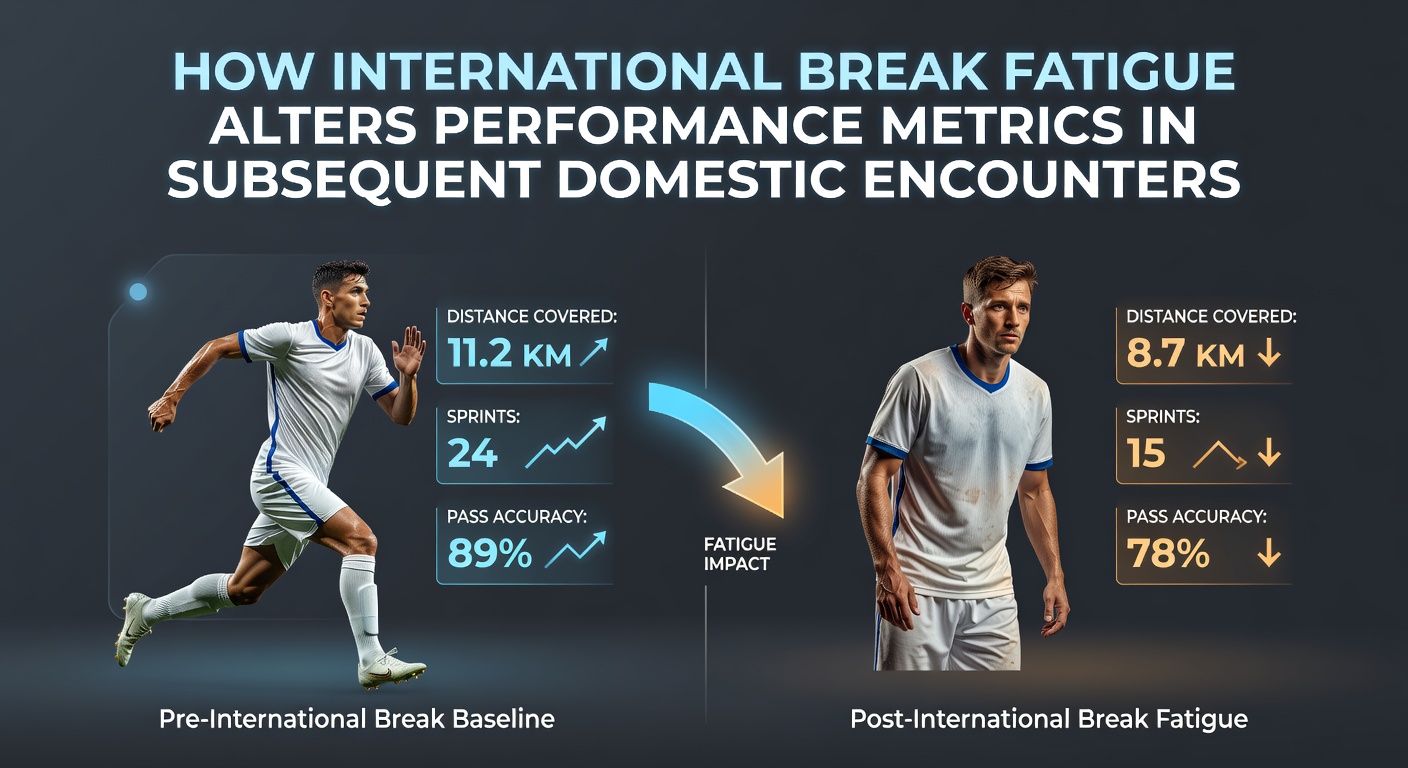
International breaks interrupt club schedules at regular intervals throughout the season, pulling players away from their domestic environments for national team commitments. Researchers tracking workload data across multiple European leagues have documented consistent patterns in how these absences influence subsequent club performances, with metrics such as total distance covered, high-intensity sprints, and pass completion rates showing measurable declines in the first match or two after return.
Physical and Mental Load Accumulation During Breaks
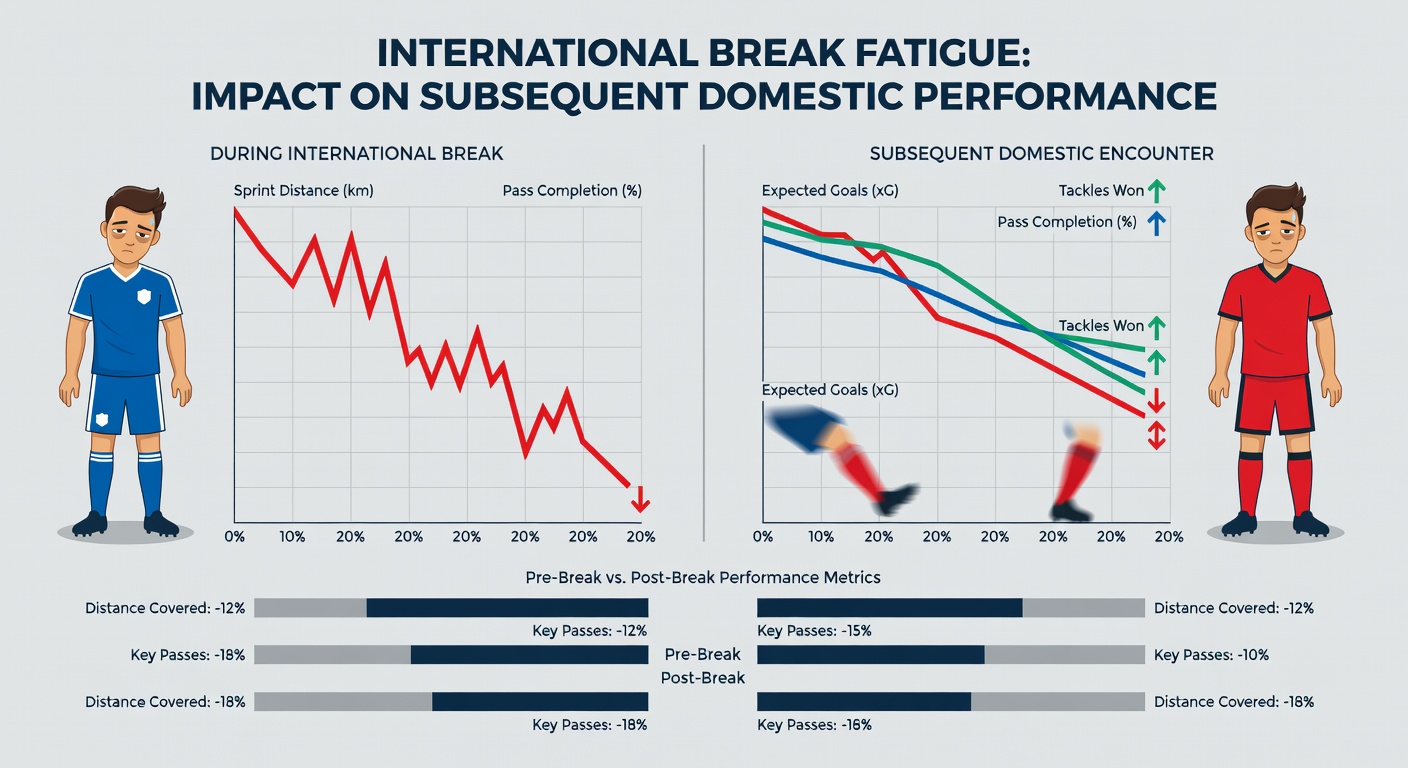
Players selected for national teams often log additional travel hours and match minutes that exceed their typical club loads, particularly those representing countries with long qualification campaigns or tournaments scheduled in March and September windows. Studies from sports science departments at institutions across Europe and South America indicate that recovery periods of five to seven days prove insufficient for full restoration in many cases, leading to elevated heart rates and reduced explosive power output upon return to club duties. Data compiled by performance analysts at top-flight clubs reveals that midfielders and full-backs experience the most pronounced drops in sprint frequency, sometimes registering 15 to 20 percent fewer high-speed efforts in the initial domestic fixture.
Changes in Key Performance Metrics Post-Break
League-wide statistics demonstrate clear alterations in output following international duty. Pass accuracy among returning starters tends to dip by an average of three to five percentage points in the opening 45 minutes, according to tracking systems employed by organizations monitoring Serie A and La Liga matches. Goal involvement rates for forwards also shift, with assists and shots on target declining notably in the first club game after a break compared to matches played immediately before the interruption. These patterns hold across both home and away fixtures, although the magnitude varies by league intensity and fixture congestion levels.
Positional Variations and Recovery Timelines
Defenders display different fatigue signatures than attackers, with central defenders often maintaining tackle success rates yet showing slower recovery speeds between presses. Goalkeepers, meanwhile, exhibit minimal statistical shifts in save percentages or distribution accuracy, a finding supported by workload reports from multiple confederations. Teams that rotate squads effectively mitigate some effects, while those relying on the same core players across both national and club contexts encounter steeper drops in work rate metrics during the second half of return matches. Observers note that the second domestic outing after an international window frequently shows rebound improvements as players regain match sharpness, highlighting the importance of the immediate post-break period.
League-Specific Patterns and Scheduling Influences
Bundesliga and Eredivisie datasets reveal slightly different timelines compared to the Premier League, with German clubs reporting faster metric recovery possibly linked to squad depth and training methodologies. Scheduling plays a role as well, since breaks that coincide with midweek domestic cups compound fatigue for players balancing multiple roles. Academic papers published in sports medicine journals have examined these variables using GPS and heart-rate monitoring, confirming that cumulative load from international travel correlates directly with reduced acceleration counts in the subsequent club encounter. European federations continue to refine fixture calendars in an effort to balance national team requirements with club welfare, a process that gained renewed attention ahead of the 2026 cycle.
Data Sources and Analytical Approaches
Performance tracking companies supply raw numbers that researchers cross-reference with injury databases and travel logs to isolate break-related effects. One analysis drawing on Opta-derived figures from the 2023-2025 seasons across five major leagues found that teams with three or more returning internationals averaged lower expected goal values in the opening 30 minutes of their next domestic match. Similar conclusions appear in reports from the Australian Institute of Sport and Canadian sports research centers, where comparable patterns emerged in domestic competitions following national team windows. These findings allow analysts to adjust models when evaluating team outputs in the immediate aftermath of breaks.
Conclusion
International breaks create predictable disruptions in domestic performance metrics that clubs and analysts track through distance, intensity, and accuracy indicators. Recovery varies by position, fixture density, and individual workload management, yet the overall data points to measurable short-term alterations that resolve within one or two additional matches. Continued monitoring by sports science teams and federations provides ongoing insight into how these cycles influence player output across different competitions and regions.