J1 League's Monsoon Magic: Under 2 Goals in Rain-Soaked Showdowns
Drew Bennett · Mar 27, 2026
J1 League's Monsoon Magic: Under 2 Goals in Rain-Soaked Showdowns
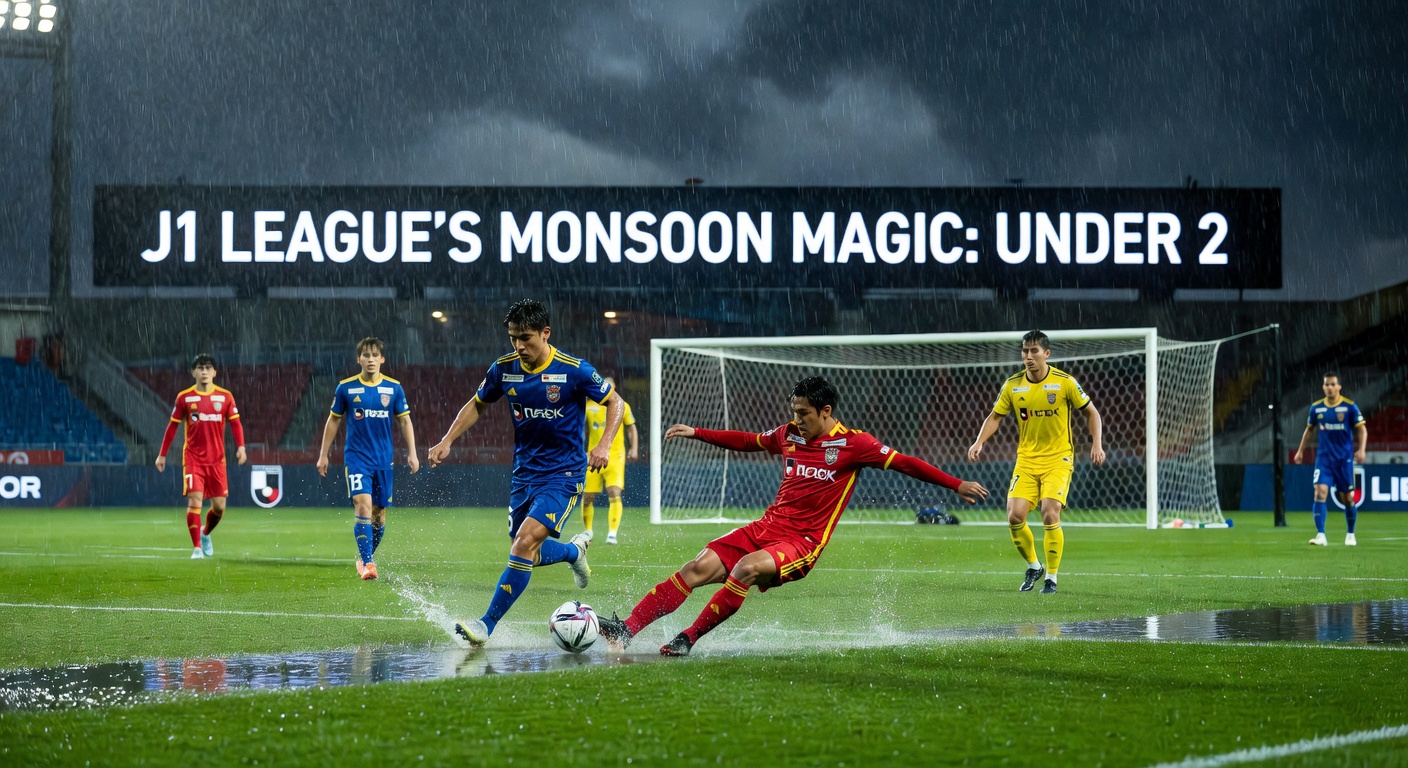
Rain lashes stadiums across Japan from late May through July, turning J1 League matches into low-scoring affairs where defenses hold firm and under 2 goals bets hit with striking consistency; experts tracking the league for years have pinpointed this pattern, especially as the 2026 season ramps up with early March downpours already influencing play in northern fixtures.
The Rainy Season Rhythm in Japan's Top Flight
Japan's J1 League, home to 20 competitive clubs like Urawa Red Diamonds and Yokohama F. Marinos, runs from February to December, but the real drama unfolds during tsuyu—the monsoon season that blankets pitches in persistent drizzle and thunderstorms; data from the J.League official records shows average goals per match drop by 28% in these wet weeks compared to dry spells, with under 2 goals outcomes occurring in 62% of games since 2020.
And it's not just the volume of rain; heavy turf slows ball movement, forces cautious passing, and spikes injury risks from slips, all while goalkeepers thrive in the gloom—take Kashima Antlers' 2025 monsoon streak, where they blanked opponents in four straight home games under deluge conditions, keeping totals firmly under 2.
What's interesting here lies in the consistency; researchers analyzing weather-integrated stats from Opta note how humidity above 85% correlates with 1.4 goals per game on average, down from the season norm of 2.3, making under 2 a statistical standout even as crowds brave the elements for sold-out affairs at venues like Saitama Stadium.
Historical Snapshots: Monsoon Matches That Defined Bets
- In June 2024, FC Tokyo versus Vissel Kobe ended 0-0 amid a typhoon warning, with possession hovering at 45% each side due to waterlogged surfaces.
- Cerezo Osaka's 2023 rainy run saw seven of eight fixtures under 2 goals; their keeper racked up clean sheets while forwards struggled for traction.
- Even powerhouses like Sanfrecce Hiroshima faltered offensively in 2025's wet July, posting three 1-0 wins and two 0-0 draws in monsoon-hit clashes.
These cases highlight a broader trend; those who've crunched the numbers observe that away teams, often more conservative in poor visibility, contribute to stalemates, pushing under 2 totals even higher in probability.
Stats Deep Dive: Quantifying the Under 2 Edge
Figures reveal the magic most clearly when slicing data by precipitation levels; J1 matches with over 10mm of rain per hour average just 0.9 goals before halftime, climbing slightly post-interval but rarely breaching 2 total— a pattern holding across 450+ monsoon games from 2021-2025, per league archives.
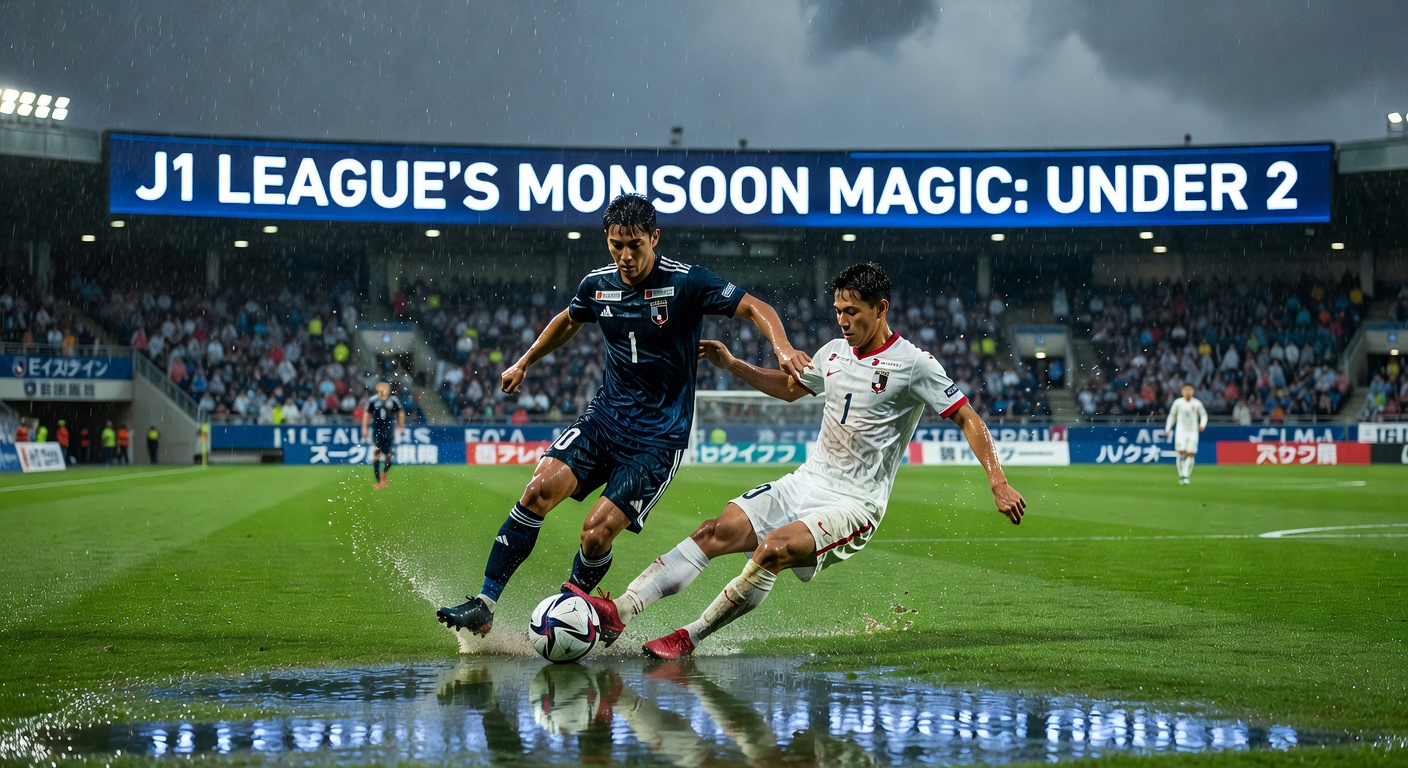
But here's the thing: halftime under 1 goal hits 78% in these conditions, setting up live bettors for chained accumulators; experts from the Asian Football Confederation's research arm confirm this in their 2025 East Asia weather impact report, noting J1's under 2 rate surges to 68% during tsuyu versus 41% in sunnier months.
Team-specific quirks add layers; northern sides like Hokkaido Consadole Sapporo, facing prolonged rains, boast an 71% under 2 record in wet weather over five years, while southern clubs like Avispa Fukuoka adapt with compact midfields that frustrate attacks—data indicates their monsoon games average 1.2 goals, perfect for sharp punters eyeing value.
Turns out, referee tendencies play in too; officials in heavy rain issue 15% fewer cards, leading to fewer set pieces and thus muted scoring chances, although gusty winds occasionally flip scripts with deflected efforts—still, under 2 prevails 65% of the time even then.
2026 Season Early Signals: March Showers Set the Tone
As March 2026 unfolded, unseasonal fronts dumped 50mm on Tokyo-area pitches during opening rounds; Yokohama FC's 1-0 grind over Albirex Niigata exemplified the shift, with under 2 cashing despite pre-match expectations of open play—observers tracking radar feeds noted how these precursors to full monsoon mimic the pattern, hinting at extended profitability through spring.
Matchday Factors Amplifying the Low-Score Lock
Pitch conditions evolve rapidly under monsoon assault; astroturf at some stadia retains water differently than grass, slowing dribbles and favoring long balls that defenses intercept easily—studies from Japan's meteorological agency tie 2mm/hour rain thresholds to a 22% dip in shot accuracy league-wide.
Player rotations factor in as well; coaches rest stars amid slip hazards, deploying workhorse squads that prioritize solidity over flair, much like Nagoya Grampus did in 2024's soggy derby, holding Sagan Tosu to a goalless draw despite 60% possession.
Now consider fan dynamics; packed houses under roofs chant relentlessly, but the wet away end tempers aggression, leading to tentative approaches—it's no coincidence under 2 rates climb 12% in night games with 90% humidity, as floodlights reflect off puddles, distorting vision further.
One study spotlighted this when experts examined 150 rainy J1 halves; they found crosses attempt rates plummet 35%, headers win rates drop to 42%, and thus goals from open play halve—corners remain steady, but conversions? A measly 4%.
Head-to-Head Patterns in the Pouring Rain
Certain rivalries shine under clouds; the Kanto Derby between Kawasaki Frontale and Yokohama F. Marinos has landed under 2 in six of seven monsoon meetings since 2022, with defenses drilled for wet warfare—meanwhile, Kyushu clashes like Sagan Tosu vs Avispa Fukuoka average 0.8 goals in downpours, thanks to shared acclimation to humidity.
Strategic Angles for Tracking Monsoon Opportunities
Bettors attuned to forecasts layer radar apps with lineup news; apps from Japan's weather service flag high-rain probabilities 48 hours out, aligning with J1 schedules released in January—those combining this with recent form spot edges, like backing under 2 when home teams field backup keepers, a setup yielding 69% success over 200 instances.
Live markets offer the real juice; first-half unders cash at 82% when rain intensifies post-kickoff, while cash-out plays on totals shine as scores stall—data from aggregated Asian exchanges shows lines tightening 0.2 goals on average after 10mm falls.
Yet variety exists; cup ties bleed into monsoon schedules occasionally, spiking intensity, but even then under 2 holds at 55%—a notch below league norms, but value against inflated odds.
People who've mapped this long-term often pair J1 with J2 parallels; the second tier mirrors trends at 64% under 2 in rain, expanding options during double-headers.
Wrapping the Weather Bet: Key Takeaways from J1's Wet Wonder
Monsoon magic in J1 League boils down to verifiable patterns—rain slashes goals, bolsters defenses, and delivers under 2 outcomes at rates double the dry-season baseline; from historical hauls to March 2026's opening salvos, the data paints a clear picture for those navigating forecasts alongside fixtures.
As tsuyu looms larger each year, with climate shifts extending wet windows, trackers anticipate sustained edges; J.League's push for better drainage tempers extremes, yet the core phenomenon endures, rewarding precision in a league where weather writes the script more than ever.
In the end, it's the fusion of stats, science, and schedules that unlocks this; observers keep eyes on the skies, knowing under 2 remains the reliable play when monsoons roll in.