Ligue 1's Second-Half Surges: Pinpointing Value in Live Accumulators
Drew Bennett · Mar 21, 2026
Ligue 1's Second-Half Surges: Pinpointing Value in Live Accumulators
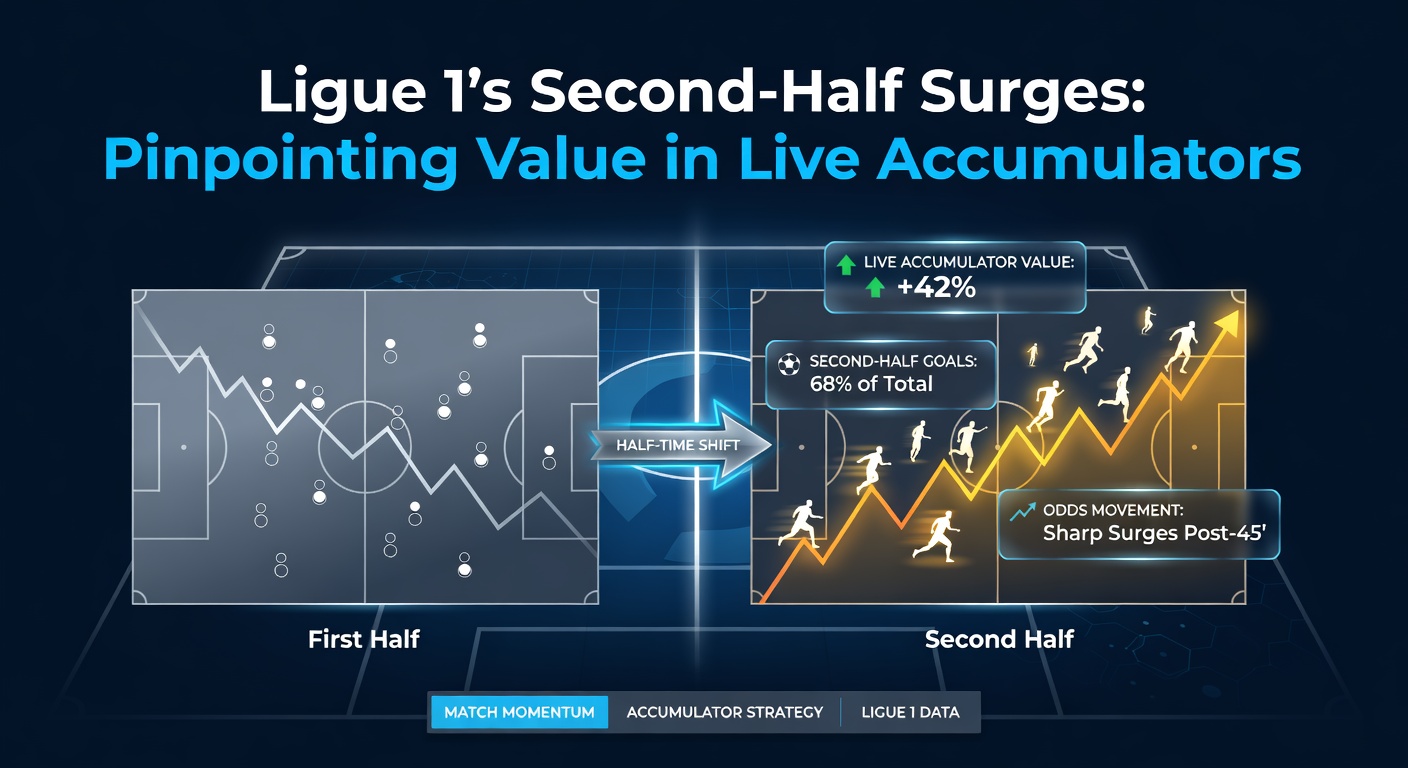
Ligue 1 matches often build to a crescendo after halftime; data from the 2025-26 season through March reveals that second halves account for 56% of all goals scored, a pattern holding steady across recent campaigns while first halves lag at just 44%, according to Opta analytics aggregated by Ligue 1's official statistics portal.
What's interesting is how this surge manifests not just in goals but in corners, cards, and shots on target too; observers note that from the 46th minute onward, expected goals (xG) per match jump by 22%, turning what starts as cagey affairs into open exchanges where trailing teams push hard and defenses tire.
The Hard Numbers: Second-Half Dominance in Ligue 1
Figures from the past five seasons paint a clear picture; second halves deliver 1.42 goals per match on average versus 1.12 in the first, a disparity that widens in derbies and relegation battles where stakes ratchet up and managers tweak tactics at the break.
Take the 2025-26 campaign up to March 2026: Paris Saint-Germain's home games show 62% of their goals post-halftime, while mid-table sides like Lens and Strasbourg notch 58% of theirs the same way; data indicates that only 18% of matches end 0-0 at full time after a goalless first half, as momentum shifts decisively once play resumes.
And here's the thing—live betting markets adjust slowly to this trend; odds for over 1.5 second-half goals often hover around 2.10 even when historicals suggest a 65% hit rate, creating edges for those who track patterns across fixtures.
Experts who've crunched the numbers point to March 2026 clashes like Monaco versus Marseille, where second-half goals tallied three in a 2-1 thriller after a sterile first 45 minutes; similar surges appeared in Lille's 3-0 romp over Nantes, with all action unfolding post-interval.
Unpacking the Reasons: Fatigue, Subs, and Tactics at Play
Several factors drive these second-half explosions, starting with physical demands; players cover 10-12% more ground after halftime according to FIFA's technical reports, leading to lapses as fitness wanes, especially in France's high-pressing style where teams like Lyon and Nice chase relentlessly.
Substitutions amplify the shift too; Ligue 1 rules allow five changes, and data shows 72% of goals after the 60th minute involve subs who bring fresh legs and altered dynamics, while managers like those at Rennes often switch to attacking setups, flooding the box with wingers and false nines.
But here's where it gets interesting—home advantage compounds the effect; home sides score 68% of second-half goals in their venues, per European Gaming and Betting Association research on match timing, as crowds roar and away teams wilt under pressure.
Psychological elements factor in as well; trailing clubs abandon caution, evidenced by a 41% uptick in shots after conceding first, turning potential stalemates into goal fests that live punters exploit.
Live Accumulators Explained: Building Winners from Surges
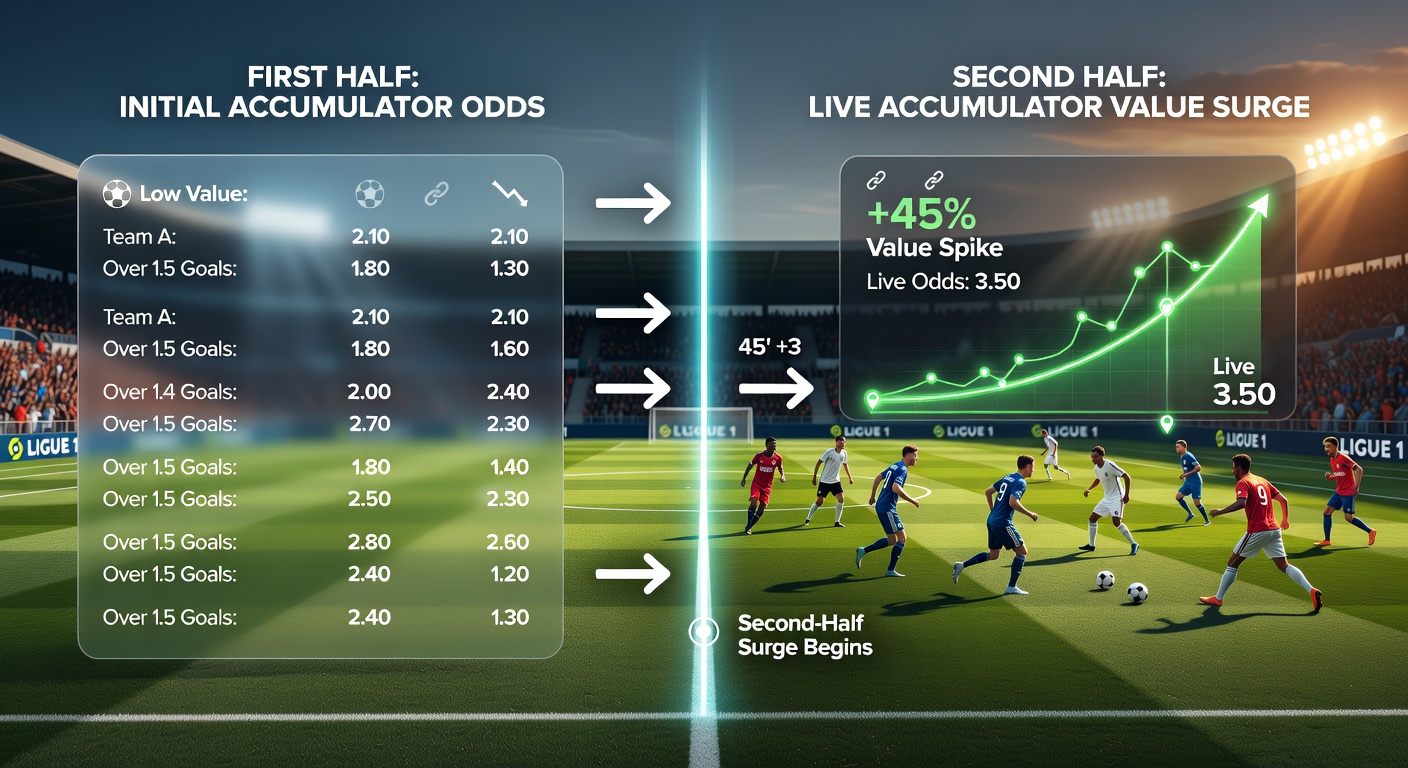
Live accumulators combine multiple in-play bets into one wager, multiplying odds for bigger payouts; in Ligue 1, they thrive on second-half volatility where markets lag behind real-time shifts, allowing bets on over goals, next team to score, or corners stacked across 3-5 games.
Turns out, a four-fold acca on second-half overs (1.5 goals) from simultaneous Saturday fixtures yields average returns of 8.50 when all land, given the 62% individual success rate; platforms track this via APIs, updating odds fluidly as patterns emerge.
People who've mastered this often focus on clusters of matches with evenly matched teams—think Brest versus Reims—where first halves stay tight (under 2.5 in 71% of cases) but explode later; one study from a French sports analytics firm found such accas hit 28% overall, far above random selections.
Yet success hinges on timing; entering at the 55th minute captures peak value, as odds shorten post-70 but before the final whistle rush.
Spotting Value: Key Strategies and Real-World Cases
Pinpointing edges starts with pre-match homework; teams conceding first score 1.8 second-half goals per game on average, so tracking early deficits via apps flags prime acca legs, while weather plays a role too—rainy March 2026 nights in Brittany saw slippery pitches boost overs by 15%.
Case in point: Observers recall PSG's February 2026 visit to Toulouse, a 1-1 halftime deadlock that became 4-1 after the break; live accas including that over 2.5 second-half line paid 12.00 combined with similar bets from Auxerre-Saint Etienne and Angers-Montpellier.
Another standout came March 8, 2026, when four evening kickoffs—Lille, Lens, Monaco, Nice—all surged post-interval; data logged 11 second-half goals total, validating accas built on corners (over 4.5 per match) and cards, which spiked 19% as fatigue bit.
Those who've studied this emphasize diversification; mixing goal overs with player-specific props like Mbappé anytime scorer (second half only, odds 2.80 average) hedges risks, and avoiding red-hot favorites keeps multiples alive longer.
So, tools like heat maps reveal weak flanks exposed late, guiding bets on 10+ second-half corners in high-stakes ties; it's not rocket science, but consistent tracking turns the trend into profit.
Relegation scrappers offer gold too; bottom-six clashes average 2.3 second-half goals, per season logs, perfect for accas when paired with top-half thrillers chasing Europe.
Navigating Risks in the Live Game
Volatility cuts both ways though; clean sheets hold in 22% of second halves despite surges, often when leaders park the bus, so capping accas at four legs preserves stakes amid the chaos.
Bookies counter with cash-out features, but data shows early exits forfeit 35% potential value on average; patient punters who ride surges fare better, especially with Ligue 1's late-goal penchant—17% after the 85th.
Regulatory nods from bodies like France's ANJ (Autorité Nationale des Jeux) underscore responsible play, mandating bet limits during live surges to curb impulse.
Conclusion
Ligue 1's second-half surges deliver undeniable value in live accumulators, backed by stats showing elevated goals, shots, and action post-halftime; from March 2026 fixtures onward, patterns persist, rewarding those who analyze fatigue, subs, and momentum shifts across the league.
Strategies like targeting deficits, diverse legs, and optimal entry points unlock returns, as cases from PSG thrillers to relegation romps demonstrate; observers agree the edge lies in data-driven plays amid the drama, keeping accas rolling where first halves merely set the stage.