Managerial Sackings Trigger Swift Odds Shifts in Football Fixtures
Petra Schröder · Jul 19, 2026
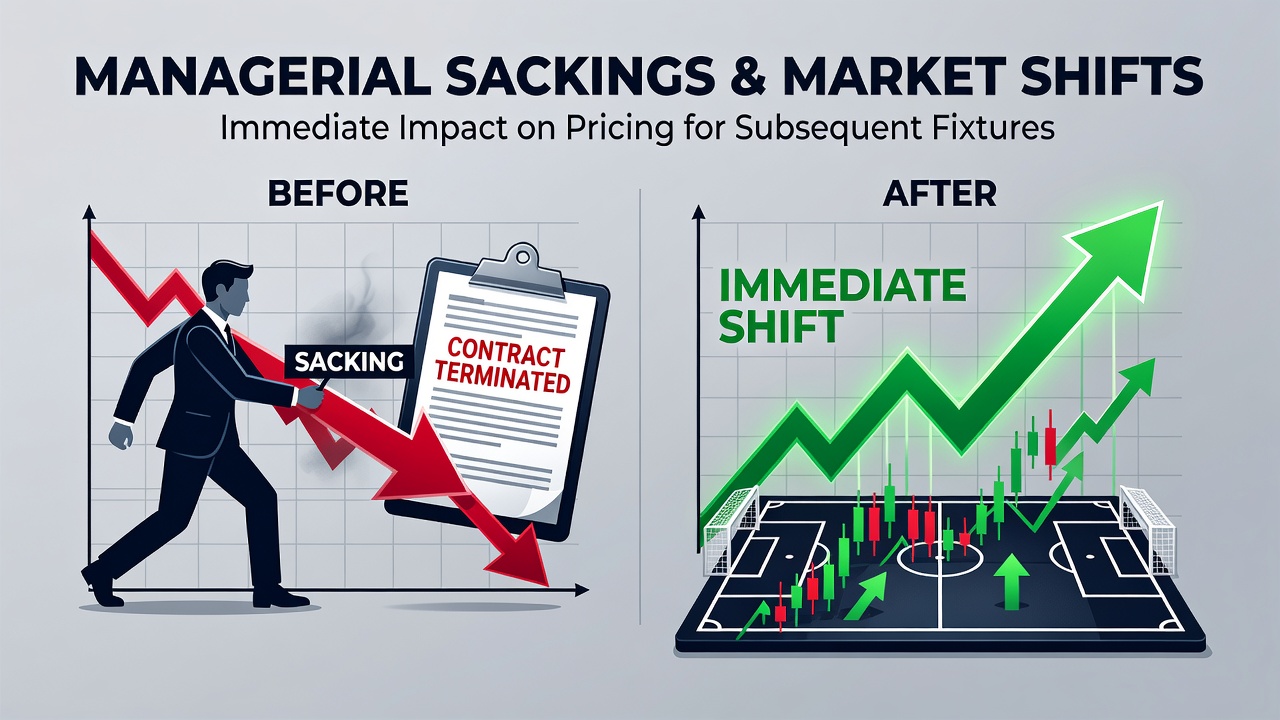
Managerial Sackings Trigger Swift Odds Shifts in Football Fixtures
Football clubs often turn to managerial sackings when results slide, and those decisions create immediate ripples across betting markets for the next fixtures, where bookmakers adjust prices within hours of the announcement. Data from major European leagues shows that a new manager in charge typically tightens odds on the home team or the newly appointed coach's side, while lengthening prices on draws and away wins in the short term. Observers note that these shifts occur because markets price in the psychological boost to players and the tactical reset that frequently follows such changes, although the effect tends to fade after two or three matches once the novelty wears off.
Patterns Across Leagues and Seasons
Leagues like the Premier League, Bundesliga, and Serie A record dozens of managerial changes each campaign, and analysts track how those events alter pre-match pricing. In the Bundesliga for instance, clubs that dismissed their coach mid-season saw their next opponents' win probabilities drop by an average of 8 to 12 percent according to historical fixture data compiled by European sports analytics groups. Those who've studied the numbers point out that the adjustment appears sharper when the sacking happens after a heavy defeat, because the incoming coach receives extra time to implement ideas before the next game. July 2026 brought several such moves across smaller European competitions during pre-season preparations, and early betting lines for August openers reflected tighter spreads on teams that had already installed new leadership.
How Bookmakers Respond in Real Time
Betting operators monitor club statements and press conferences closely, then recalibrate odds using models that factor in squad morale, training ground reports, and historical performance under new management. The reality is that these models draw on large datasets from multiple seasons, so a single announcement can move lines by several points before the market stabilizes. Research published by academic centers in North America, including work from the University of Nevada's gaming studies program, indicates that live trading volumes spike right after news breaks, with sharp bettors often targeting the over or under on total goals because new managers sometimes adopt more attacking setups initially. University of Nevada gaming studies program tracked similar volatility in other sports, yet football remains distinctive because fixtures arrive so quickly after the change.
Case Examples from Recent Windows
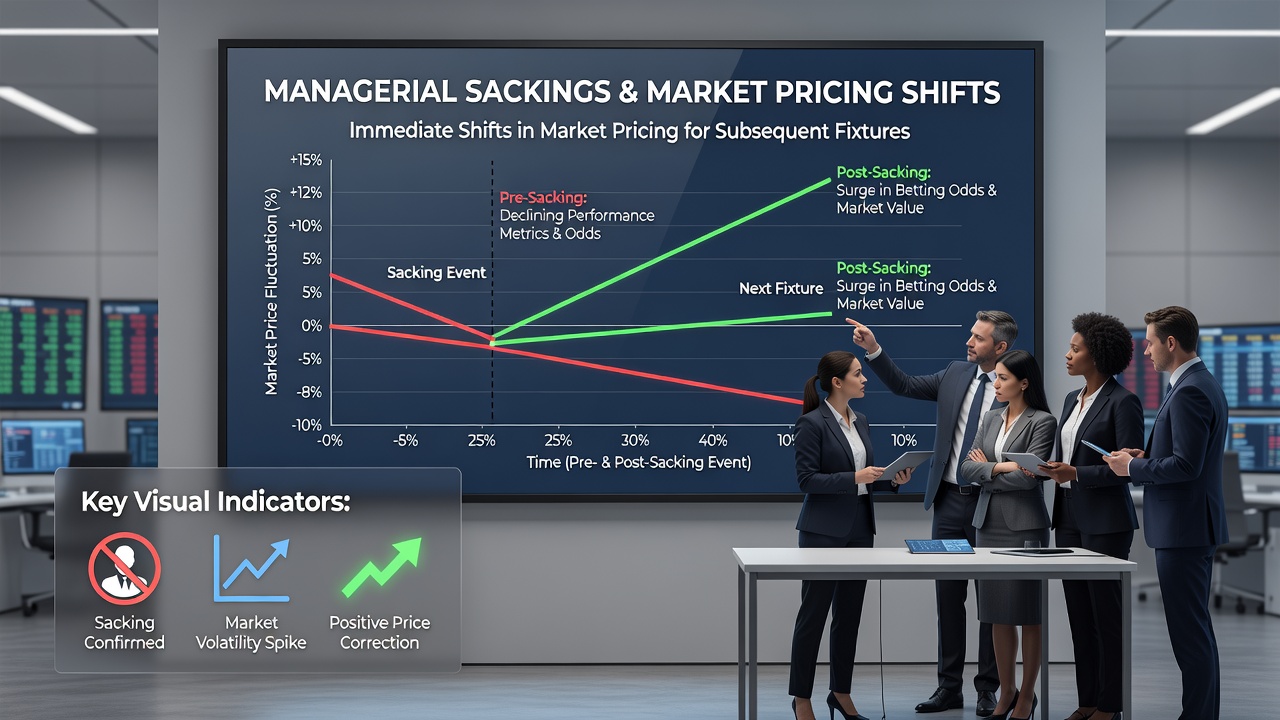
Take one mid-table Premier League side that parted ways with its manager in late 2025; the next three fixtures saw the win price compress from 2.40 to 1.95 within ninety minutes of the announcement, while the draw stretched from 3.30 to 3.80. Observers note that similar patterns emerged in the Eredivisie and Primeira Liga, where underdog sides with fresh leadership attracted money on the double chance market. Data shows the effect is more pronounced in domestic cups than in league play, because squad rotation and motivation levels differ when points are not on the line. Those who follow market movements point to the fact that sharp money often lands early on the new manager's team to win to nil, reflecting expectations of a defensive organization that carries over from the previous regime's final days.
Factors That Amplify or Dampen the Shift
Several variables influence how far and how fast prices move. The timing within the season matters, because sackings in the first ten weeks produce larger swings than those after the winter break when fatigue and squad depth play bigger roles. The quality of the replacement coach also registers in the odds, with proven names triggering stronger reactions than interim appointments from within the coaching staff. External reports from industry bodies such as the Canadian Gaming Association highlight that cross-border betting operators sometimes lead the price adjustments in smaller leagues, where local liquidity is thinner and international syndicates move lines faster. Canadian Gaming Association research further notes that liquidity from Asian markets can accelerate the correction once European books have opened.
Conclusion
Managerial sackings continue to serve as reliable catalysts for rapid repricing in football betting markets, and the pattern holds across multiple leagues because the underlying incentives for clubs and bettors remain consistent. Data from successive seasons demonstrates that the initial shift favors the newly led side in the short window before results provide fresh information. Those who monitor these movements recognize that the window for value narrows quickly once the market incorporates the change, which leaves room for continued analysis of timing, opponent strength, and the specific context of each dismissal.