Midweek Fixture Fatigue: Spotting Value in Tired Squads During Congested Schedules
Drew Bennett · Jul 23, 2026
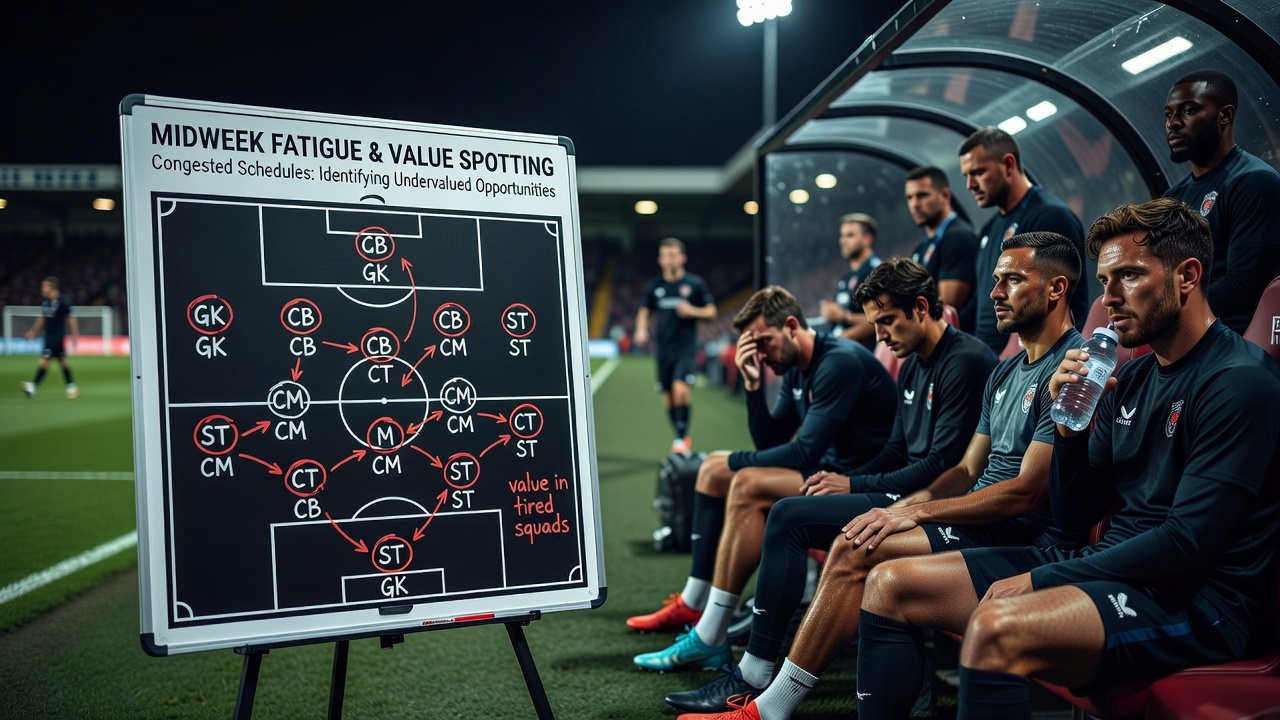
Midweek Fixture Fatigue: Spotting Value in Tired Squads During Congested Schedules
Fixture congestion creates measurable shifts in team performance across European leagues, where clubs balance domestic commitments with continental competitions, and data from multiple seasons reveals patterns that emerge when squads play three matches in eight days or fewer. Researchers tracking player workloads through GPS systems and heart rate monitors have documented declines in high-intensity running and sprint frequency after such sequences, while injury rates climb by up to 25 percent according to studies published in the British Journal of Sports Medicine. These physical demands intensify during winter months when weather adds recovery challenges, yet summer preparations for the 2026-2027 campaign already highlight scheduling pressures that begin intensifying in July 2026 with pre-season friendlies overlapping early qualifiers.
Measuring the Impact of Packed Calendars
Performance metrics collected by sports science teams show that teams contesting midweek European ties often record lower possession retention and fewer shots on target in the subsequent weekend fixture, with Bundesliga clubs demonstrating an average 12 percent drop in expected goals when they travel across time zones for Champions League games. Analysts reviewing five years of Serie A and La Liga data note that defensive errors increase notably in the second half of congested matchdays, creating opportunities for opponents who maintain fresher legs through rotation. Those who have examined these trends point to recovery protocols as a key variable, since clubs with deeper squads and advanced medical support limit the extent of decline compared to smaller teams forced to field the same starters repeatedly.
Key Indicators of Squad Tiredness
- Reduced distance covered at high speeds in the final 30 minutes of follow-up matches
- Higher foul counts as players lose positional discipline under fatigue
- Increased frequency of substitutions before the 70-minute mark in back-to-back games
- Lower pass completion rates in midfield zones where decision-making slows
One study from Australian sports researchers tracked elite players across multiple leagues and found that sleep disruption from travel compounds these effects, while a separate Canadian university analysis linked fixture density directly to elevated cortisol levels that persist for 48 hours post-match. Observers note that goalkeepers sometimes show sharper drops in distribution accuracy during such periods because they receive fewer touches overall yet face heightened pressure when called upon.
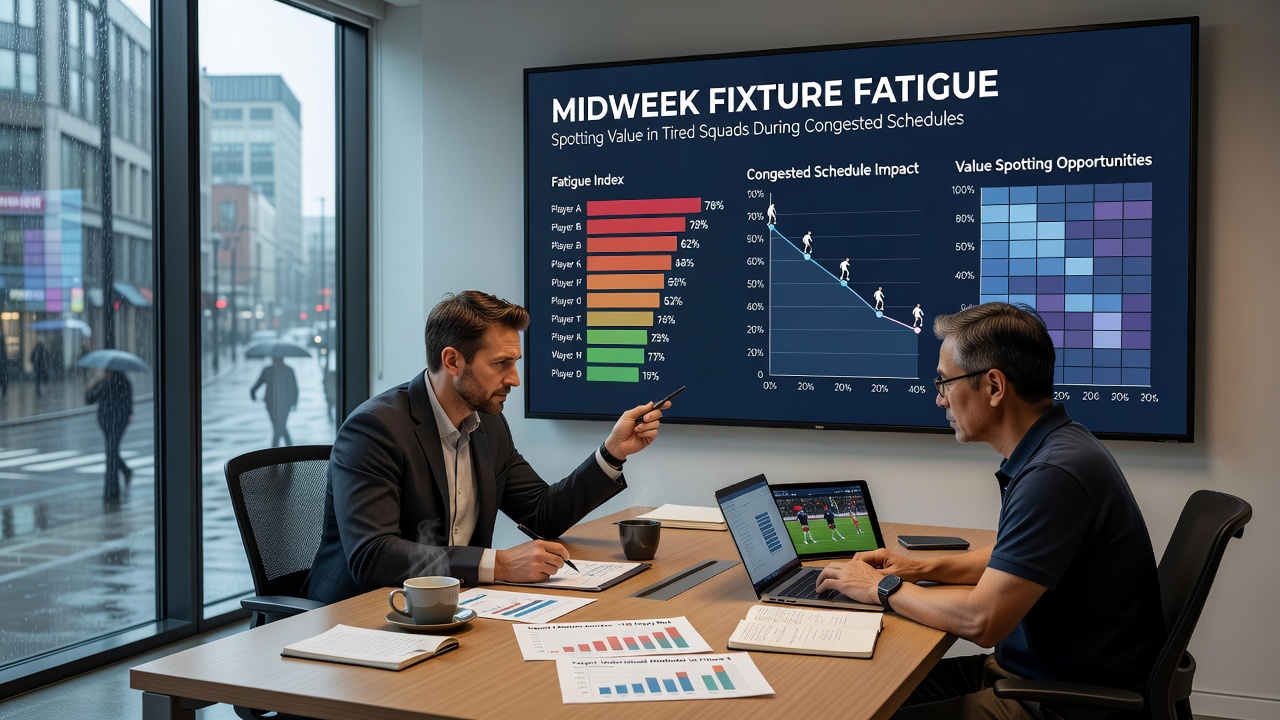
League-Specific Patterns in Congested Periods
Premier League schedules produce distinct clusters around Christmas and European nights, whereas Ligue 1 experiences spikes during Coupe de France rounds that force midweek replays for lower-division sides. Data indicates that Portuguese Primeira Liga teams traveling to continental ties suffer pronounced second-half dips more often than their Spanish counterparts, partly because squad depth varies significantly between the top three clubs and the rest. Those reviewing historical results from the 2024-2025 season onward see clear correlations between travel distance exceeding 1,000 kilometers and subsequent clean sheet percentages falling below season averages. Rotation strategies employed by managers like those at Bayern Munich or Manchester City demonstrate how early changes in midfield and defense can preserve output, yet smaller squads rarely possess equivalent options.
What's notable is how set-piece defending weakens after repeated fixtures, with aerial duel success rates dropping as concentration fades. External reports from the Union of European Football Associations confirm that injury surveillance programs across member associations record elevated muscle strain cases precisely during these windows, prompting some federations to advocate for expanded winter breaks. In July 2026, expanded international windows will further test recovery timelines ahead of the new domestic campaigns, adding another layer to pre-season planning for clubs already eyeing qualification rounds.
Identifying Performance Edges Through Data
Betting markets adjust odds when teams face quick turnarounds, yet statistical models built on expected points and adjusted ratings often highlight mismatches where a rested home side meets a fatigued visitor. Analysts cross-reference minutes played by key individuals, recent travel logs, and recovery days between fixtures to isolate cases where underperformance becomes probable. One approach involves comparing a club's average goals scored in standard schedules against their output in congested blocks, revealing consistent shortfalls that persist across multiple seasons. Those examining these figures emphasize the value of combining workload data with tactical adjustments, such as pressing intensity falling when legs tire.
Case studies from the Eredivisie illustrate how teams returning from Thursday night games struggle against mid-table opponents who enjoy full preparation time, while similar trends appear in the Belgian Pro League where midweek cup ties disrupt rhythm. Government health agencies in several EU countries have begun monitoring cumulative player exposure as part of broader athlete welfare guidelines, providing additional datasets that researchers integrate into performance forecasts. These sources help separate temporary dips from structural squad weaknesses, allowing clearer identification of value when markets overreact to recent results without accounting for schedule context.
Conclusion
Fixture congestion produces predictable shifts in output that data consistently captures across leagues and competitions, and organizations ranging from academic institutions to continental governing bodies continue supplying evidence that refines understanding of these dynamics. Teams with superior depth and recovery resources mitigate effects more effectively, while those stretched thin expose measurable vulnerabilities that appear in metrics such as distance covered, duel success, and error rates. As calendars grow denser heading into July 2026 and beyond, the patterns observed in prior seasons offer a framework for recognizing when tiredness influences outcomes in specific matchups.