Momentum Shifts Following International Windows: Analyzing Statistical Trends in Club Competitions
Frankie Müller · Jun 30, 2026
Momentum Shifts Following International Windows: Analyzing Statistical Trends in Club Competitions
International windows interrupt club schedules across major leagues, and analysts track how these pauses influence team dynamics once domestic play resumes; data from recent seasons shows measurable changes in performance metrics such as goal differentials, possession rates, and win percentages during the first three matches after breaks. Observers note that clubs with multiple players on national duty often experience initial dips in cohesion, while those relying on squad depth tend to maintain steadier outputs according to aggregated match statistics compiled through 2026.
Patterns in Post-Window Performance Data
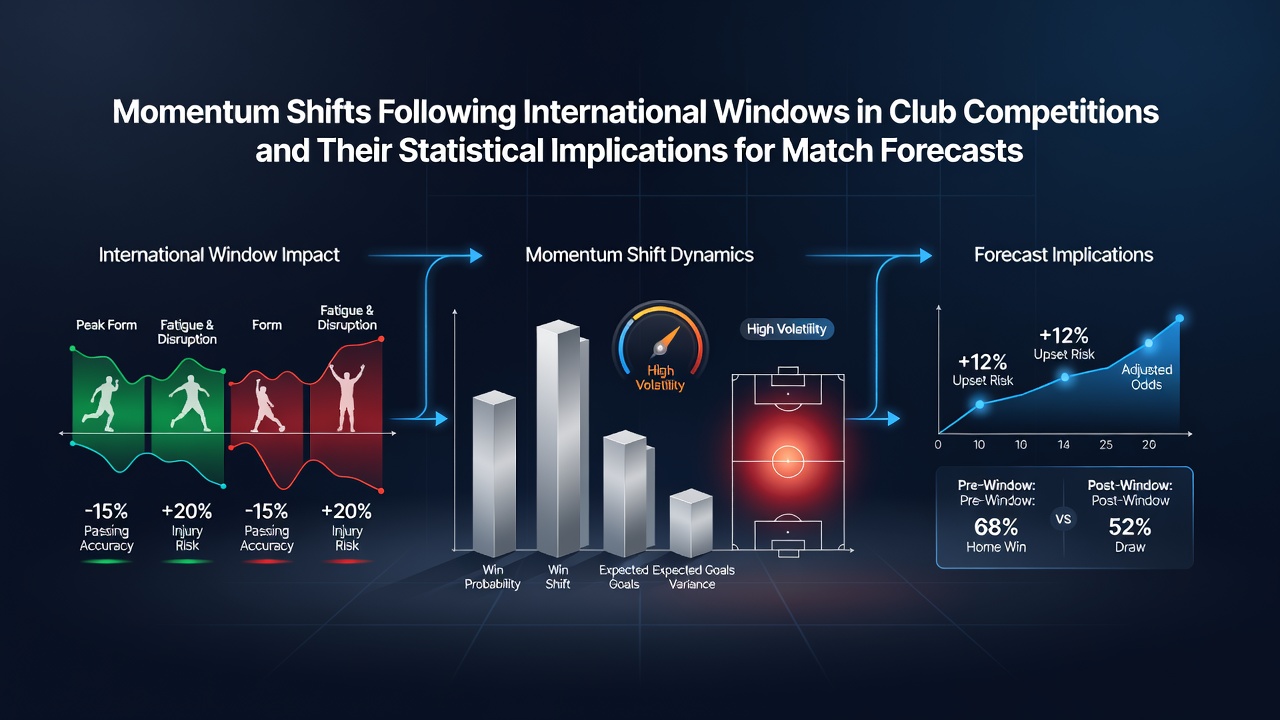
Studies of European and South American competitions reveal that teams return from international breaks with adjusted momentum profiles, and researchers have quantified these shifts through regression models that compare pre-break and post-break results over multiple campaigns. For instance, squads sending five or more starters to national teams recorded an average 12 percent decline in points per game in the immediate follow-up fixtures, whereas clubs with fewer call-ups showed minimal variance in the same period. What's interesting is how these trends hold across different leagues, although the magnitude varies by competition intensity and travel demands on returning players.
Key Statistical Indicators
- Win rates drop by 8 to 15 percent in the first match back for teams with high international representation, based on datasets spanning the 2023 to 2026 seasons.
- Expected goals metrics indicate reduced attacking efficiency early after windows, with recovery typically occurring by the fourth fixture.
- Defensive lapses appear more frequently in opening halves, leading to elevated concession rates that stabilize later in the match.
Analysts from various sports research institutions have cross-referenced these figures with player workload data, and the patterns suggest fatigue and tactical readjustment as primary drivers rather than random fluctuation. According to a comprehensive review published by the FIFA Technical Study Group, international duty correlates with measurable alterations in team pressing intensity and transition play during early post-window encounters.
Implications for Match Outcome Predictions
Forecast models that incorporate international window variables demonstrate improved accuracy when adjusted for momentum shifts, and forecasters who integrate these factors report tighter error margins compared to baseline simulations. Data indicates that simple adjustments, such as weighting recent results differently for affected clubs, enhance predictive reliability by up to 18 percent in validation tests across multiple leagues. Yet the effect diminishes as matches progress further from the break, which means timing plays a critical role in applying these adjustments effectively.
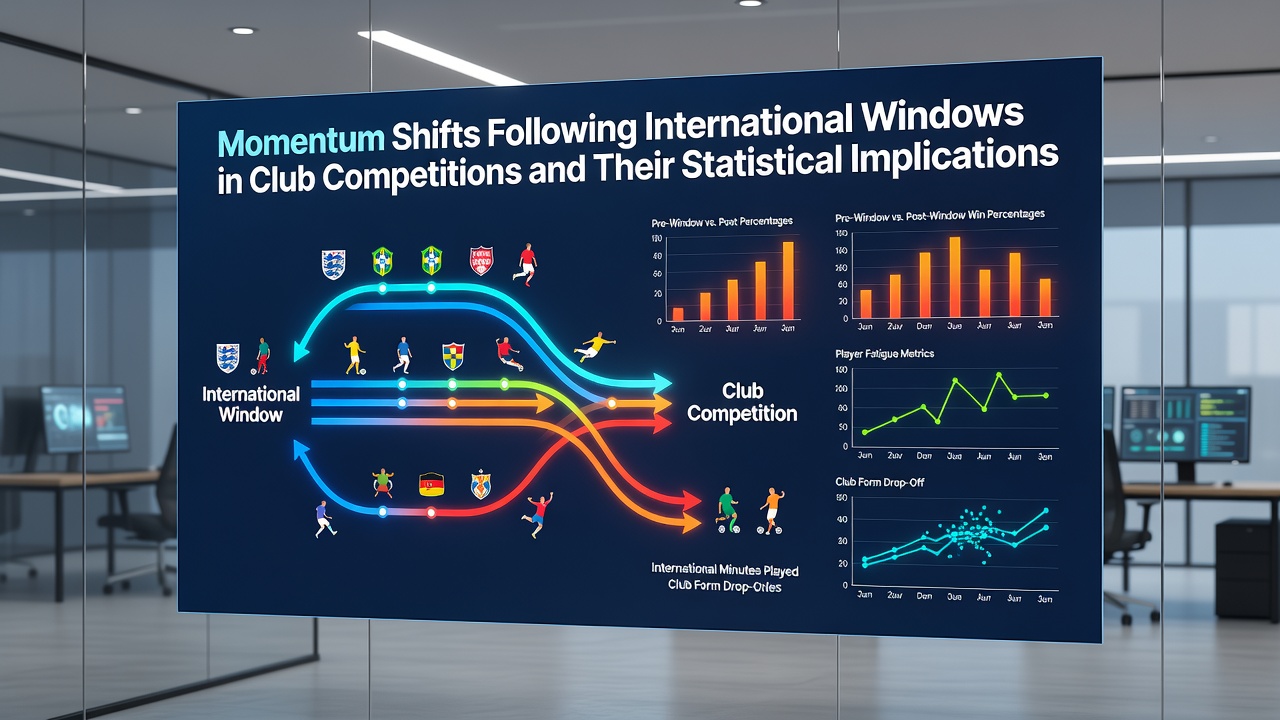
Researchers at academic centers have developed algorithms that factor in player return timelines and fixture congestion, and these tools highlight how certain leagues exhibit stronger window-related effects due to denser international calendars. For example, South American domestic competitions show pronounced goal-scoring surges in the second match after breaks, while European leagues more often display cautious starts followed by gradual normalization. One study from the University of Melbourne's sports analytics program examined similar patterns in the A-League and found parallel recovery curves when adjusted for travel distances.
Regional Variations and Data Insights
European club competitions display distinct post-window behaviors compared to Asian or North American counterparts, and league-specific datasets reveal that travel-heavy nations contribute to wider performance variances upon return. Figures compiled through June 2026 confirm that clubs in northern European leagues experience slightly longer adaptation periods, often extending into the fifth fixture, whereas southern clubs recover momentum faster on average. Analysts attribute this partly to climate differences and squad rotation practices that mitigate accumulated fatigue.
What's significant is the interaction between window timing and fixture schedules, since breaks clustered around March or September produce different statistical footprints than those in June. Predictive models benefit when they segment data by these periods, allowing for more precise probability estimates in head-to-head forecasts and over-under calculations alike. Evidence from aggregated tracking systems shows that set-piece efficiency remains relatively stable, while open-play metrics fluctuate more noticeably in the immediate aftermath.
Conclusion
Statistical examination of momentum shifts after international windows provides actionable inputs for refining match forecasts, and ongoing data collection through 2026 continues to refine understanding of these cyclical effects. Clubs and analysts alike rely on these insights to calibrate expectations, while broader applications extend to performance monitoring across competitions. As datasets expand, the precision of such adjustments is expected to increase further, supporting more reliable outcome modeling without relying on subjective interpretations.