Player Rotation Patterns: Uncovering Edges in Appearance-Based Proposition Wagers Across Europe's Elite Divisions
Tina Franke · May 24, 2026
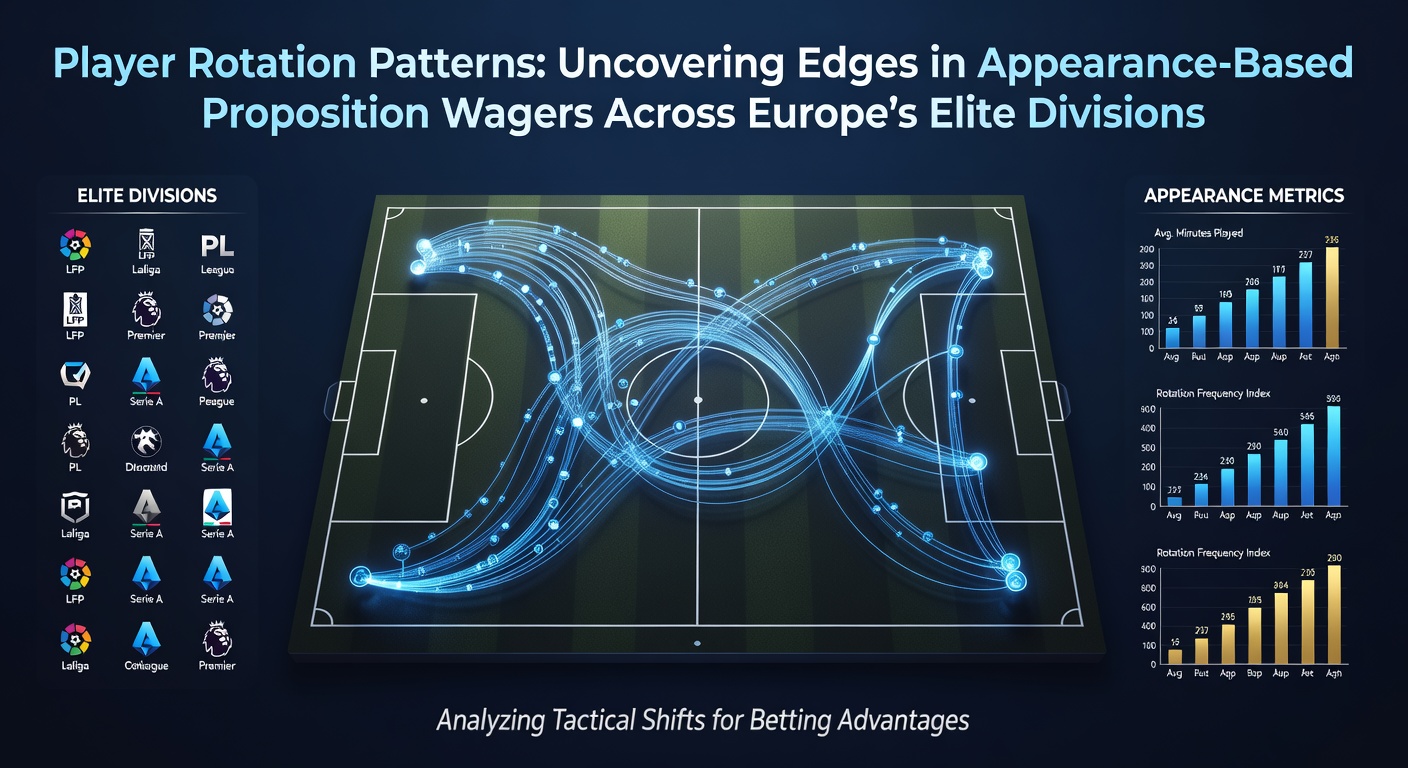
Player Rotation Patterns: Uncovering Edges in Appearance-Based Proposition Wagers Across Europe's Elite Divisions
Player rotation has become a defining feature of modern football management across Europe's elite divisions, where coaches balance fixture congestion with squad depth to maintain performance levels throughout long seasons. Data from top leagues shows that teams in the Bundesliga, Serie A, and La Liga often rest key players during midweek European fixtures, which creates measurable patterns in appearance-based proposition wagers that focus on minutes played or match participation. These wagers, offered by many betting platforms, reward accurate predictions of whether a specific player will feature or exceed certain thresholds, and rotation schedules directly influence outcomes in ways that reward detailed tracking of team schedules.
Understanding Rotation Trends in Major Leagues
Teams competing on multiple fronts rotate players more aggressively than those focused solely on domestic campaigns, with Bundesliga sides averaging 3.2 changes per match during congested periods according to performance tracking services. Serie A clubs tend to preserve starters for weekend fixtures after midweek Champions League or Europa League ties, leading to lower appearance rates for attackers in Thursday or Friday games. Observers note that La Liga managers frequently deploy younger squad members against lower-table opponents, which reduces the likelihood of established stars reaching 60-minute thresholds in certain prop markets. These patterns hold steady across seasons because fixture lists and European commitments remain predictable, allowing bettors to cross-reference team news with historical substitution data.
How Appearance Props Respond to Tactical Decisions
Appearance-based propositions often center on binary outcomes such as whether a player starts or records over 45 minutes, and rotation decisions alter these probabilities in consistent ways. When a manager announces a full squad overhaul after a European match, the probability of a star forward appearing drops sharply, sometimes by 40 percent compared to standard league weekends. Research from sports analytics groups indicates that defensive players experience fewer rotations than attackers because their roles require less explosive output, yet full-backs in high-pressing systems still see elevated rest rates during fixture piles. Those who monitor training reports and pre-match press conferences gain an edge by identifying phrases that signal impending changes, such as references to "managing workloads" or "giving minutes to the group."
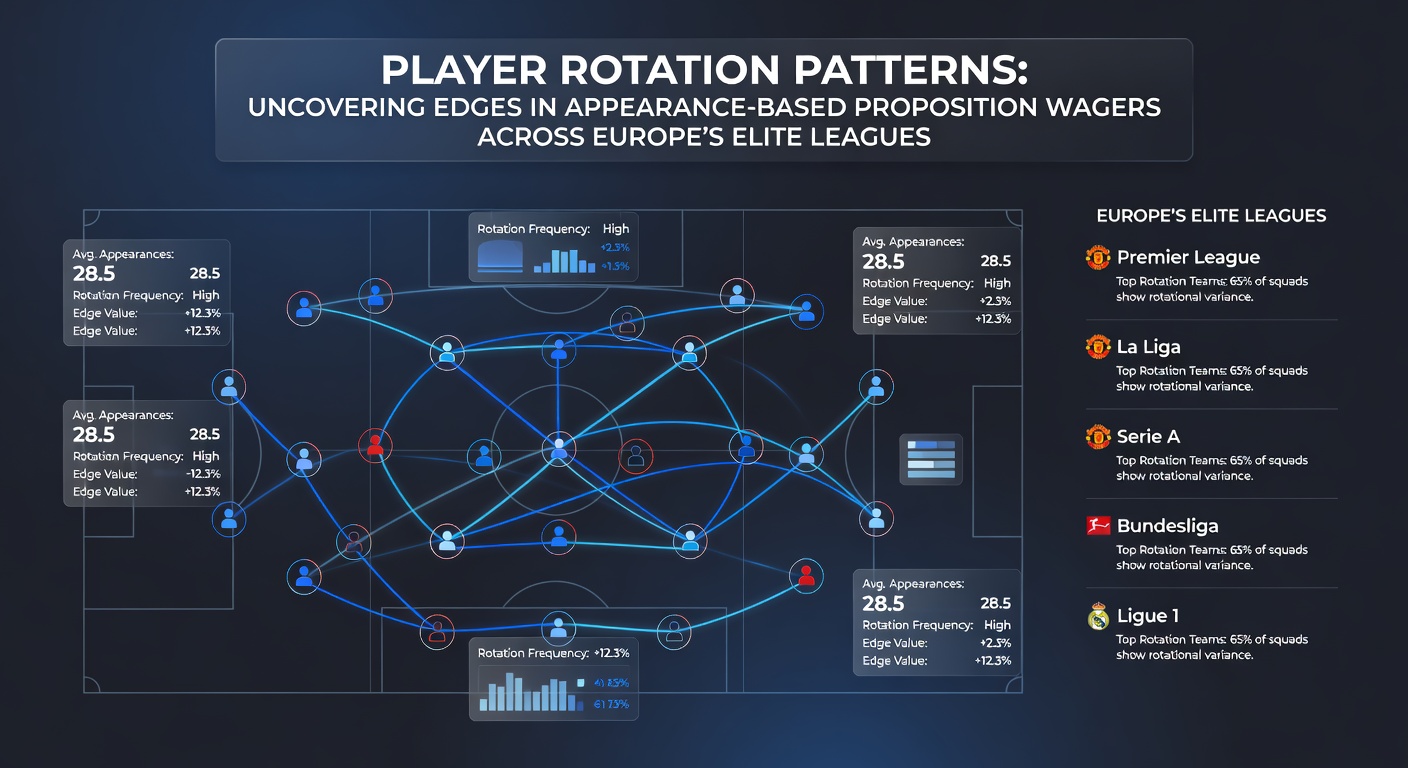
Seasonal Factors and May 2026 Scheduling
As the 2025/26 campaign progresses toward its conclusion in May 2026, rotation intensity typically rises in the final weeks because title races and relegation battles demand fresh legs while European spots are already secured or lost. Clubs with nothing left to play for accelerate squad rotation, which boosts opportunities for fringe players to exceed appearance thresholds in prop bets. European competition schedules add another layer, with UEFA adjusting knockout dates that sometimes force extra midweek travel and increase rest needs. Data compiled by European sports research bodies shows that teams eliminated from continental tournaments increase domestic rotation by an average of 2.8 substitutions per game in the following month, creating windows for value in appearance markets.
Regional Variations Across Elite Divisions
Each league exhibits distinct rotation signatures shaped by playing style and fixture density. Bundesliga matches feature higher average substitutions because the league permits five changes, allowing coaches to manage energy more precisely than in leagues limited to three. Serie A sides prioritize defensive stability and therefore rotate midfielders less frequently, which stabilizes prop outcomes for central players. La Liga teams balance possession-based systems with tactical flexibility, resulting in wider variance in forward appearances during the spring schedule. Those who compile league-specific datasets find that combining rotation percentages with opponent strength produces stronger predictive models than raw minutes averages alone.
Integrating Data Sources for Informed Analysis
Performance databases and official league reports supply the raw numbers needed to quantify rotation effects, while academic studies on athlete workload provide context for why certain patterns persist. A report issued by the UEFA medical unit highlights how accumulated fatigue influences substitution timing across Champions League participants. Another analysis from the French National Institute of Sport examines recovery timelines after international breaks and their impact on domestic availability. Cross-referencing these sources with weekly team sheets allows for identification of recurring edges in appearance propositions without relying on subjective intuition.
Conclusion
Player rotation patterns across Europe's elite divisions supply consistent, data-driven signals that shape outcomes in appearance-based proposition wagers. By mapping substitution trends, fixture congestion, and league-specific policies, analysts build frameworks that align historical evidence with upcoming schedules. As the 2025/26 season advances toward May 2026, continued monitoring of these variables will remain central to identifying value where rotation decisions diverge from market expectations.