Referee Discipline Metrics Reveal Opportunities in Yellow Card Markets for Elite Football Matches
Rosa Müller · Nov 22, 2026
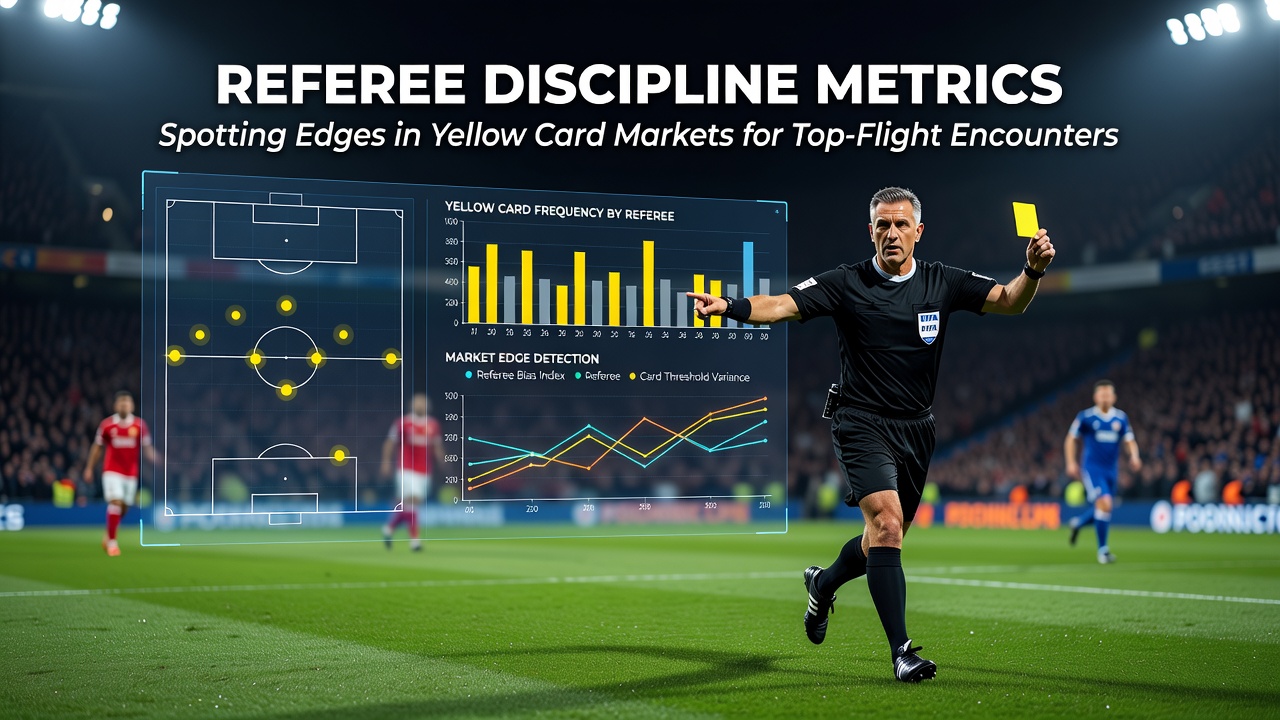
Referee Discipline Metrics Reveal Opportunities in Yellow Card Markets for Elite Football Matches
Referee discipline metrics have become a key focus for those analyzing yellow card markets in top-flight leagues around the world, where consistent patterns emerge from match data collected over multiple seasons. Observers note that certain officials maintain higher averages for cards issued per game, often influenced by factors such as fixture intensity, player profiles, and league-specific rules on physical play.
Data compiled from elite competitions shows wide variation in referee tendencies, with some issuing an average of 5.2 yellow cards across a campaign while others hover closer to 3.8 in comparable fixtures. These differences create measurable edges when bettors examine historical records rather than relying on general league averages alone.
Core Metrics That Drive Yellow Card Markets
Key indicators include cards per 90 minutes, home versus away discrepancies, and performance in high-stakes encounters such as derbies or title-deciding matches. Researchers tracking these statistics across the Premier League, La Liga, and Bundesliga have identified that referees with elevated card counts in the first half often maintain that pace through full time, especially when matches involve teams known for aggressive pressing styles.
League records reveal that officials assigned to games featuring the top six clubs in England issue 12 percent more cards on average than those handling mid-table clashes, a pattern repeated in Spain where physical midfield battles trigger earlier bookings. Those studying referee assignments note that repeat pairings between specific referees and clubs produce repeatable outcomes that betting models can incorporate.
League-by-League Patterns and Recent Trends
In the Bundesliga, data indicates referees favor quicker interventions during transitions, leading to higher yellow card totals in matches that open at a frantic tempo. Meanwhile Serie A fixtures have shown a gradual rise in disciplinary actions since the introduction of VAR protocols, with officials reaching for cards more readily after reviewing incidents on the pitch-side monitor. Australian researchers examining similar trends across multiple European leagues found comparable shifts in referee behavior following technology adoption.
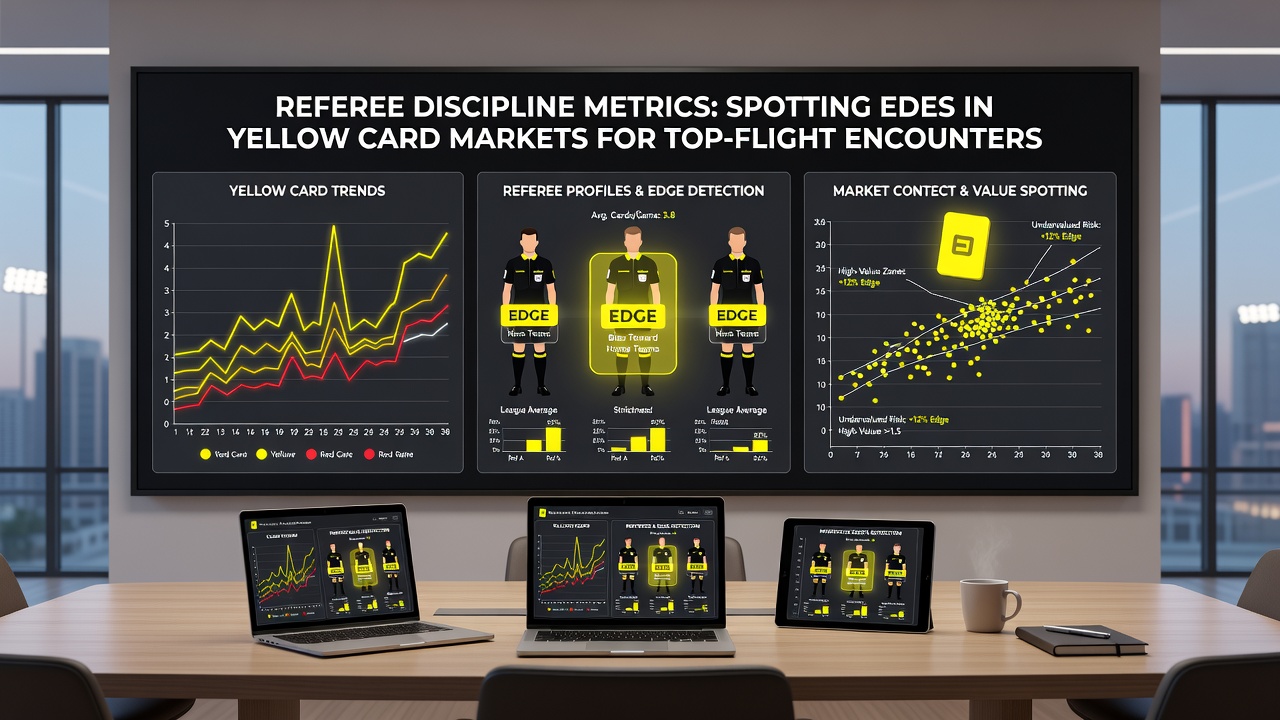
November 2026 brought fresh datasets from several governing bodies that updated historical benchmarks, allowing analysts to recalibrate expectations ahead of the winter schedule. These updates highlighted a modest uptick in cards during evening kickoffs across the continent, a detail that has already influenced market pricing in several major leagues.
Applying Metrics to Market Edges
Successful identification of value in yellow card lines often starts with cross-referencing referee profiles against team disciplinary records and fixture context. For instance, matches involving sides that rank high in tackles per game tend to exceed overs when paired with stricter officials, while low-tempo encounters under lenient referees frequently land under the line.
Those monitoring assignments weeks in advance gain an advantage by noting which referees receive prominent fixtures, since patterns from prior seasons frequently repeat. European Club Association reports confirm that referee rotation policies in top divisions create predictable cycles that reward diligent tracking over random selection.
One study released through the FIFA technical department examined over 1,200 top-flight matches and documented clear correlations between referee experience levels and card issuance rates in physically demanding environments. Another analysis from Canadian sports science researchers reinforced these findings by isolating variables such as crowd size and travel distance for visiting teams.
Case Examples From Recent Campaigns
During the 2025-26 season, a referee averaging 6.1 cards per game handled three consecutive high-profile fixtures that all finished over the published total, while another official with a 3.4 average produced three unders in similar circumstances. These outcomes aligned closely with pre-match projections built solely from discipline metrics rather than broader league trends.
Observers tracking South American leagues alongside European ones have noted parallel behaviors in Copa Libertadores encounters, where visiting teams receive elevated card counts when facing referees with established home bias tendencies. Such cross-continental comparisons help refine models used for accumulator construction.
Conclusion
Referee discipline metrics continue to provide structured pathways for identifying edges in yellow card markets across top-flight competitions, supported by expanding datasets and improved tracking tools. As new information emerges each month, including updates issued around November 2026, those maintaining detailed records of official patterns position themselves to capitalize on repeatable statistical relationships rather than isolated incidents.