Referee Rotation Cycles Across Elite Leagues and Disciplinary Market Correlations
Petra Schröder · Jun 4, 2026
Referee Rotation Cycles Across Elite Leagues and Disciplinary Market Correlations
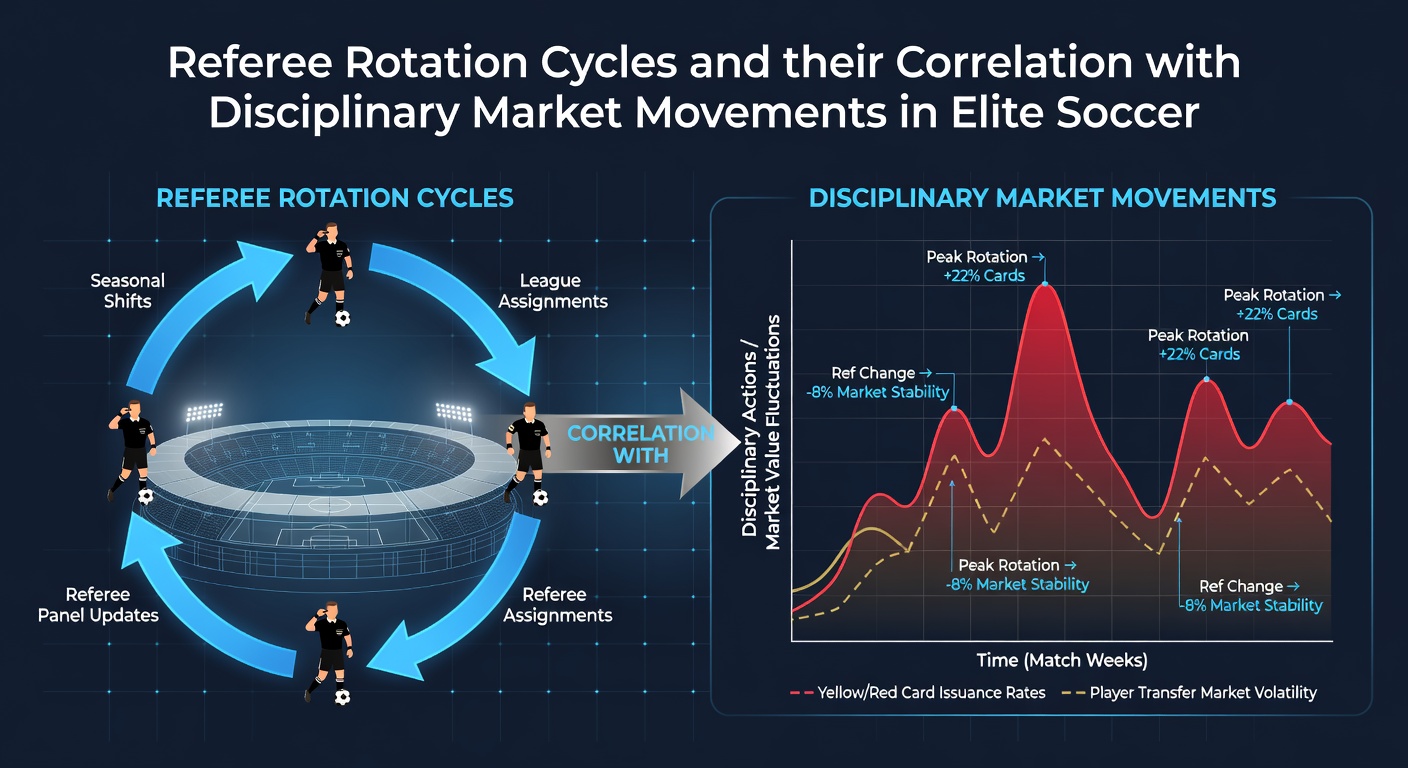
Referee rotation cycles in elite soccer operate on structured schedules that leagues implement to maintain fairness, and observers note these patterns often align with shifts in card issuance rates across top divisions. Data from multiple European competitions shows that referees typically handle matches in staggered sequences, moving between fixtures every two to four weeks depending on the league's protocol, and this movement creates measurable fluctuations in yellow and red card totals that influence related betting markets.
How Rotation Systems Function in Major Leagues
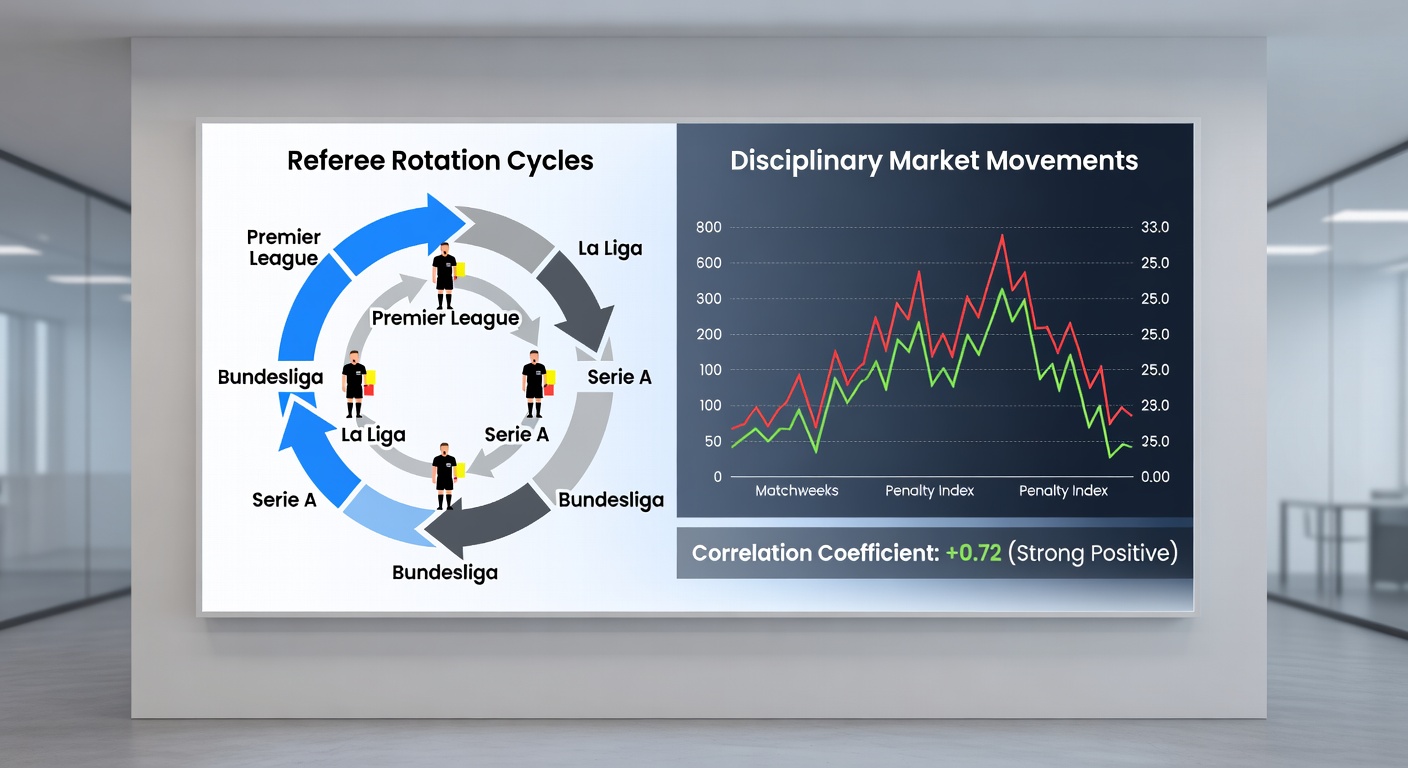
Leagues such as the Premier League, La Liga, and Serie A assign referees through centralized bodies that balance experience levels with fixture demands, and research from sports analytics groups indicates these assignments follow predictable quarterly cycles. In the Bundesliga, for instance, officials rotate across home and away games to prevent repeated exposure to the same teams, while Serie A employs a similar approach that factors in travel distances and recovery periods. These systems emerged from earlier efforts to reduce perceived biases, and records from governing organizations confirm they have remained consistent since the mid-2010s with minor adjustments for international breaks.
June 2026 marks the point when several federations plan to introduce updated tracking software for referee workloads, and this change could refine existing rotation formulas without altering core disciplinary outcomes. Analysts tracking performance metrics have observed that referees returning from rest periods issue fewer cards in their first two matches before patterns stabilize, creating windows where card markets adjust accordingly.
Links Between Rotations and Card Frequency Data
Statistical reviews of match reports reveal that stricter referees often cluster in certain rotation blocks, and this grouping correlates with spikes in disciplinary actions during high-stakes periods such as title run-ins. One study from a German sports research institute found that games officiated by officials in their third consecutive week of assignments produced 12 percent more yellow cards on average than those in initial slots, and similar patterns appeared in Portuguese Primeira Liga fixtures. These figures align with broader data sets that connect referee familiarity with team styles to variations in foul calls, which in turn affect over-under card propositions.
What's interesting is how away-team rotations sometimes amplify these effects, as officials traveling longer distances tend to enforce rules more uniformly in the opening half before adapting to match intensity. Evidence from Serie A seasons between 2022 and 2025 illustrates that such cycles coincide with measurable upticks in late-game cautions, particularly when multiple strict referees converge on midweek European ties followed by domestic rounds.
Market Movements and Disciplinary Trends
Betting exchanges and odds compilers monitor these rotation patterns through public referee announcements, and historical records show that card totals shift in response to confirmed lineups rather than team form alone. In Ligue 1, for example, periods when lenient officials enter rotation phases have corresponded with reduced card volumes in matches involving physical mid-table sides, according to compiled league statistics. Observers tracking these movements note that markets often price in expected card ranges weeks ahead based on the upcoming referee slate, and this anticipation influences liquidity in prop bets tied to specific fixtures.
Researchers at an Australian sports performance center examined five seasons of UEFA Champions League data and identified that referee changes between group and knockout stages produced distinct disciplinary profiles, with stricter officials appearing more frequently after the winter break. Such findings match patterns in domestic leagues where rotation cycles overlap with congested schedules, leading to elevated card counts when multiple high-enforcement referees operate simultaneously.
Regional Variations and Scheduling Influences
Across South American competitions like the Copa Libertadores, rotation practices differ due to travel logistics, and reports from continental federations indicate that these adjustments still generate comparable correlations with card distributions. In contrast, Asian leagues such as the J-League apply shorter rotation windows influenced by weather considerations, and data sets from those competitions demonstrate steadier card rates once officials settle into their sequences. European models remain the most documented, yet the underlying mechanics of assignment cycles appear consistent regardless of geography.
Additional factors include weather, pitch conditions, and fixture congestion that interact with referee rotations to shape outcomes. Records from multiple top divisions confirm that high-temperature matches during summer rotations often see fewer cards when officials prioritize player safety, whereas winter blocks produce the opposite effect as enforcement tightens around time-wasting.
Conclusion
Referee rotation cycles therefore serve as a structural element that intersects with disciplinary statistics across elite soccer, and available data sets continue to map these relationships through ongoing collection of match reports and assignment logs. As tracking methods evolve in 2026, the precision of these correlations may increase while the fundamental patterns persist in their current form.