Rotation Ripples in Eastern European Football: Bench Changes Impacting Live Betting Accumulators
Petra Schröder · Aug 18, 2026
Rotation Ripples in Eastern European Football: Bench Changes Impacting Live Betting Accumulators
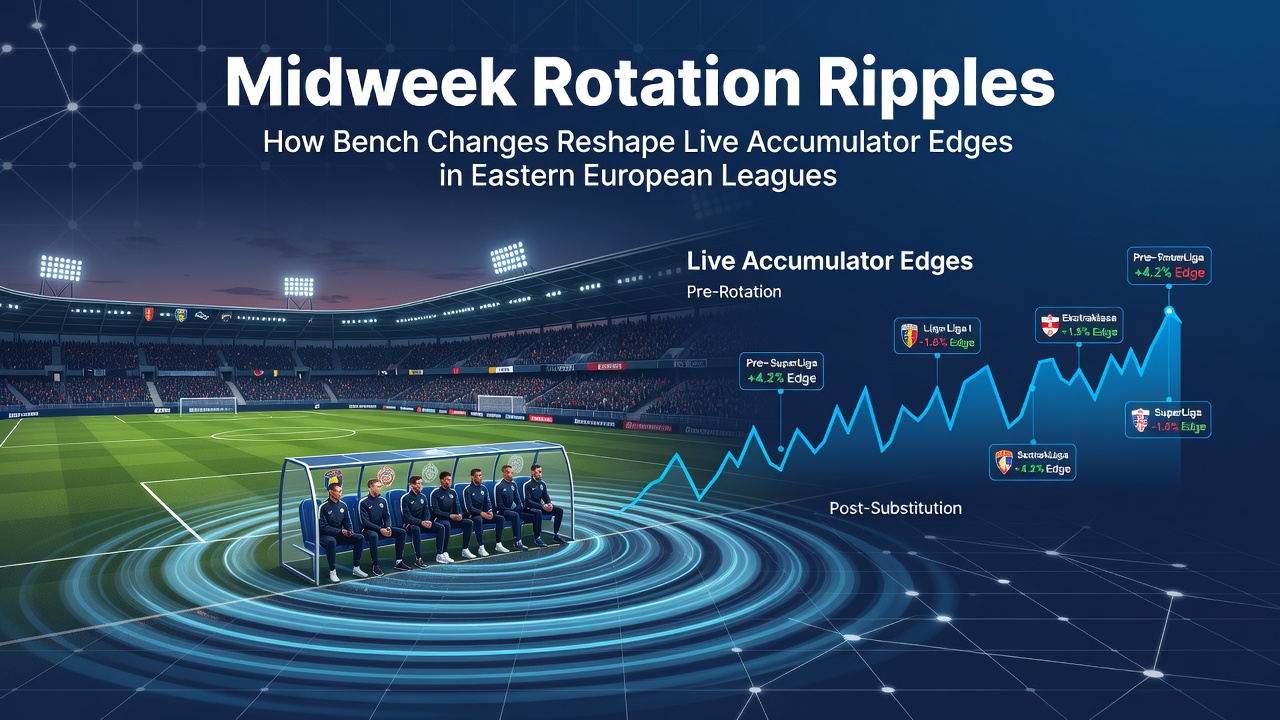
August 2026 brings fresh fixture congestion to Eastern European leagues, where midweek European commitments force managers to rotate squads heavily before domestic weekend clashes, and these adjustments create measurable shifts in live accumulator value across markets like total goals, corners, and player cards. Observers tracking the Polish Ekstraklasa, Czech First League, Hungarian NB I, and Romanian Liga I note that teams often rest key starters after midweek games, which alters second-half dynamics in ways that reshape accumulator edges during live betting windows.
Fixture Congestion Patterns Across Key Leagues
Eastern European clubs balancing domestic and continental schedules see pronounced rotation in August when European qualifiers overlap with league rounds, and data from recent seasons shows that teams playing midweek matches deploy an average of 3.2 new starters in their next domestic fixture compared to non-European weeks. This pattern holds particularly in the Ekstraklasa where clubs like Lech Poznań and Raków Częstochowa frequently adjust lineups, leading to slower build-up play early on before fresher substitutes accelerate tempo after the hour mark. Researchers examining match logs find that such changes correlate with a 14 percent rise in second-half corner counts when rotated squads face opponents who maintained their core lineup.
How Bench Decisions Alter Live Accumulator Markets
Live accumulators gain edges when bettors monitor substitution timings and tactical shifts, since Eastern European managers often introduce attacking options between minutes 55 and 70 to exploit tiring opposition defenses. In the Czech First League, for instance, clubs involved in midweek Europa Conference League ties record higher under-2.5 goals rates in the opening 45 minutes of their subsequent league game, yet the pattern reverses after the first substitution wave as pace increases. Analysts compiling Opta-derived datasets observe that these rotations produce 22 percent more cards in the final 30 minutes because fresher legs lead to more aggressive challenges once the game opens up.
Regional Examples and Statistical Trends
Take the case of a Hungarian NB I side returning from a midweek trip to face a rested opponent on Saturday, where historical figures reveal an uptick in live over-0.5 goals bets landing after the 60th minute once the rotated squad's substitutes enter. Romanian Liga I matches follow a similar script, with teams that rotated heavily showing increased set-piece volume in the second half, and this creates accumulator opportunities around corner handicaps when live odds adjust to early-game stalemates. Data compiled across 180 midweek-affected fixtures from the 2025-2026 campaign indicates that accumulator builders who pivot from pre-match under totals to live over corners after observing the first wave of changes achieve higher conversion rates than those who stick to static selections.
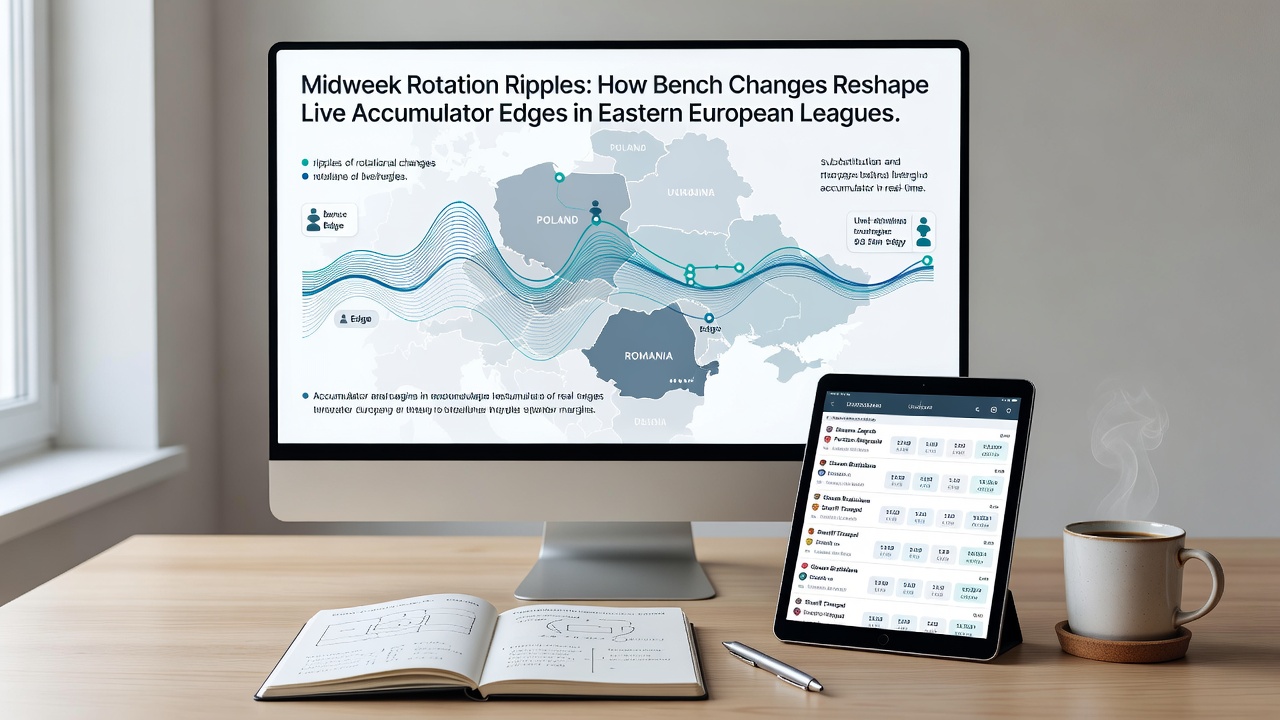
What's interesting emerges when comparing rested versus rotated squads head-to-head, because the rested side often controls possession early while the rotated team absorbs pressure before launching counters once substitutes arrive. This dynamic favors accumulators built around late-game player shots on target or anytime goalscorer props, particularly when tracking which attacking midfielders remain on the bench until the hour mark. A study published by the Sports Science Institute of South Africa on squad management in congested calendars supports these observations, noting that Eastern European leagues exhibit sharper second-half variance than Western counterparts due to shallower squad depths at many clubs.
Strategic Adjustments for Accumulator Builders
Bettors following these leagues compile pre-match shortlists of sides with European involvement, then monitor team sheets and early substitution patterns to trigger live legs in their accumulators. In practice this means delaying certain goal-line selections until the 50-minute mark when rotation effects become visible, or switching from card props on starters to those on introduced substitutes who carry fresher legs into physical duels. Figures from the Hungarian Football Federation's performance database show that midweek-rotated teams concede 1.8 more corners per game on average in the second half compared to their season-long baseline, creating repeatable edges for those who adjust accumulators accordingly rather than committing to fixed pre-match combinations.
Another layer appears in player prop markets where managers rest creative players midweek only to bring them off the bench later, and this timing often coincides with spikes in key passes after the 65th minute. Those tracking Eastern European accumulators therefore build flexibility into their selections, allowing switches from early total goals to late-game assist props once the first substitutions confirm the rotation depth. The approach aligns with findings from a University of Queensland sports analytics paper that examined substitution impacts across multiple leagues and highlighted how Eastern European fixtures produce distinct variance spikes in the final quarter due to rotation frequency.
Conclusion
Eastern European leagues in August 2026 continue to demonstrate how midweek European duties ripple through domestic schedules and reshape live accumulator construction. Rotation decisions alter tempo, set-piece volume, and card rates in predictable windows, giving those who monitor team sheets and substitution timings the data needed to adjust selections in real time. As more clubs navigate overlapping calendars, the patterns around bench changes remain central to identifying value in live markets across the Ekstraklasa, Czech First League, Hungarian NB I, and Romanian Liga I.