Schedule Strain in Football: Roster Depth Challenges and Probabilistic Outcomes
Tina Franke · Jun 7, 2026
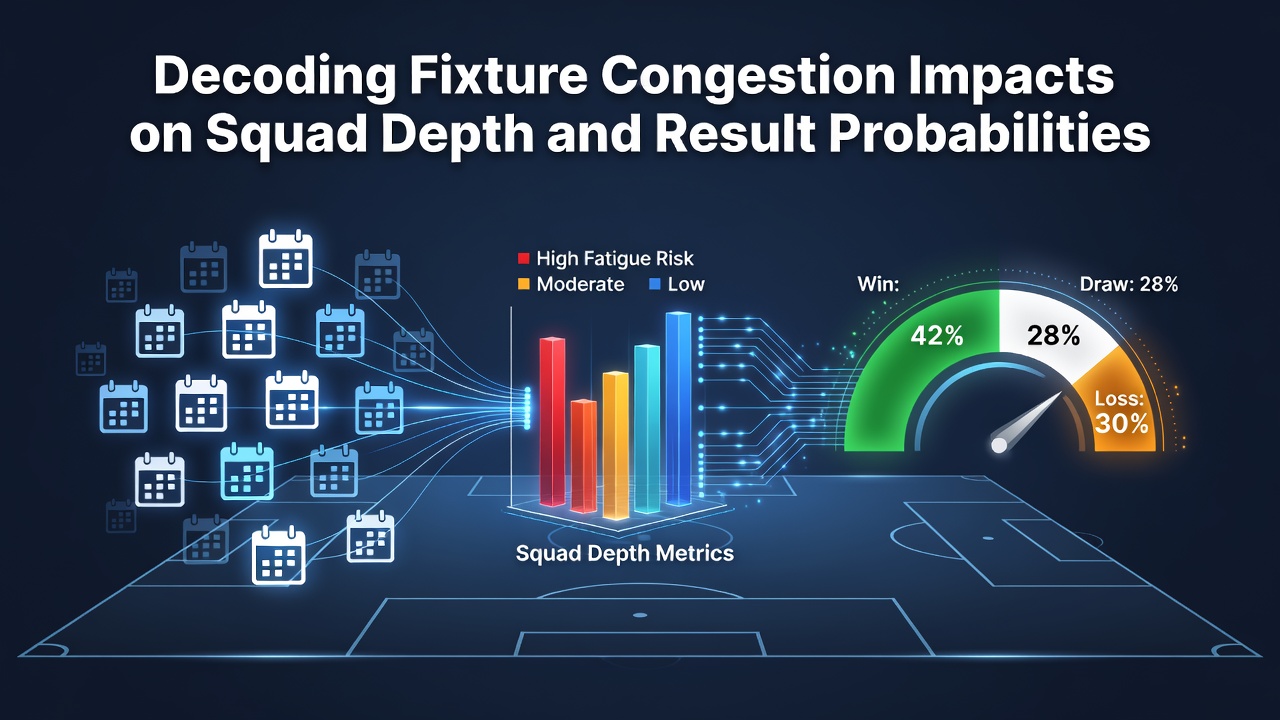
Schedule Strain in Football: Roster Depth Challenges and Probabilistic Outcomes
Fixture congestion arises when clubs face multiple matches across short timeframes, often due to domestic leagues, cup competitions, and international tournaments, while data from major European leagues shows average match intervals dropping below four days during peak periods in recent seasons.
Teams must balance player availability with recovery needs, and studies from sports science institutions indicate that squads with limited rotation options experience measurable declines in physical output metrics such as distance covered and sprint frequency after consecutive high-intensity games.
Understanding the Mechanics of Congested Calendars
Modern football calendars pack 50 to 70 matches per season for top clubs, and this density forces managers to manage energy reserves across defensive, midfield, and attacking units simultaneously. UEFA competitions add midweek fixtures that compress recovery windows, whereas domestic cups create additional layers for lower-ranked sides still competing on multiple fronts.
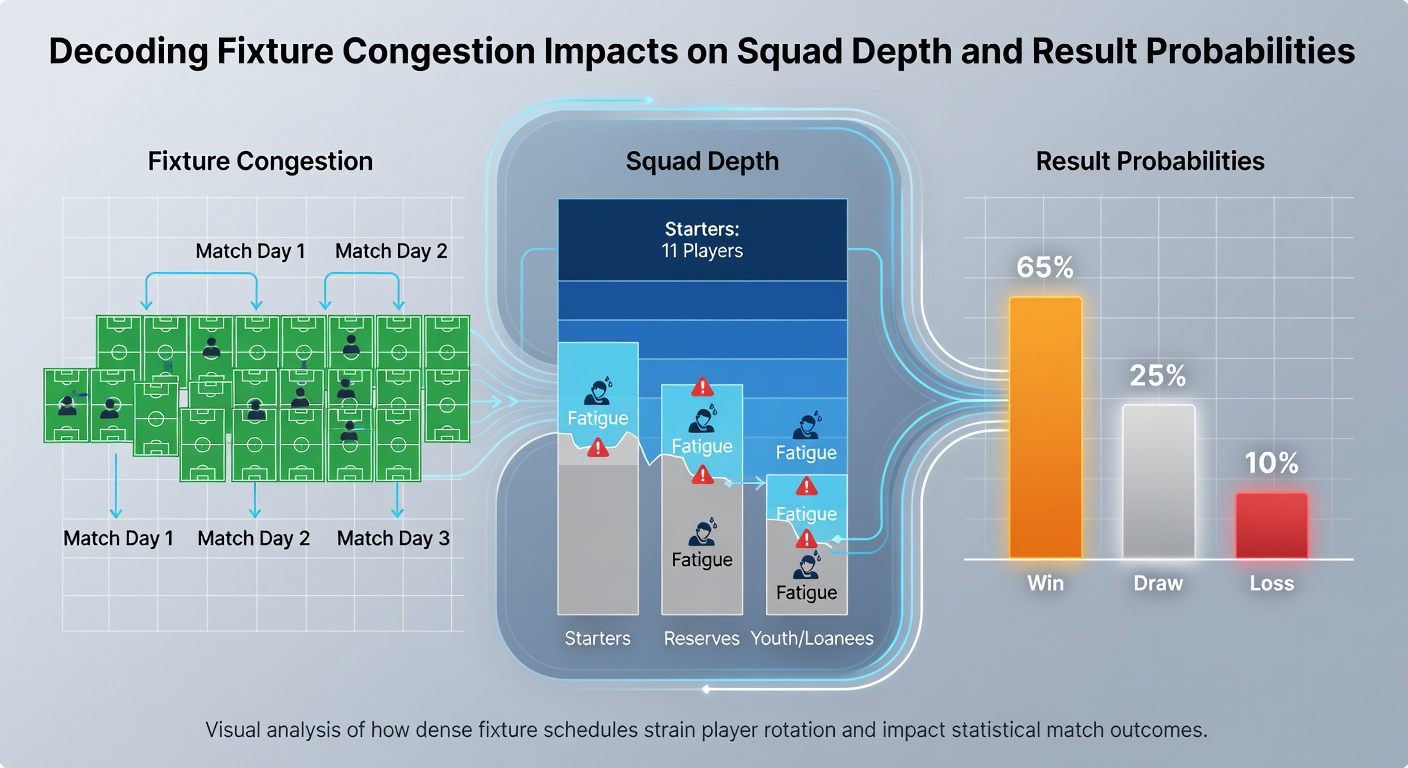
Researchers tracking heart rate variability and muscle soreness markers have documented elevated fatigue levels when teams play three matches in eight days, and performance databases reveal consistent drops in pass completion accuracy during the second half of such sequences. Squad depth becomes the deciding factor because clubs with bench options can substitute key players earlier, preserving overall output across the match.
Impacts on Squad Resources and Player Availability
Rotation strategies emerge as essential tools when fixture lists intensify, yet smaller squads lack the personnel to maintain starting eleven quality across all positions. Data compiled by league analysts shows that injury rates climb approximately 15 to 20 percent during periods exceeding six fixtures in three weeks, particularly affecting hamstring and ankle structures that require longer recovery intervals.
Coaches who rotate personnel systematically report fewer soft tissue issues, and examples from Bundesliga clubs demonstrate how early substitutions in congested weeks correlate with sustained league table positions. Those who studied workload distribution note that central midfielders and full backs often bear the highest cumulative loads, prompting targeted rest protocols that protect against long-term absences.
International breaks overlapping with club schedules create further complications, especially ahead of major events such as the 2026 FIFA World Cup preparations scheduled for June 2026, when national team call-ups reduce available players for domestic duties and heighten the need for academy graduates to step into senior roles.
Shifts in Match Result Probabilities
Statistical models built from historical match data illustrate how fixture congestion alters expected outcomes, with teams coming off dense schedules showing reduced win probabilities against fresher opponents. Home advantage remains statistically significant, yet its margin narrows when the home side has played multiple midweek fixtures while the visitors arrive with longer rest periods.
Goal-scoring rates also fluctuate, and evidence from tracking platforms indicates fewer shots on target in the final 30 minutes of congested matches, leading to lower-scoring draws becoming more frequent. Analysts examining over 1,200 fixtures across five seasons found that sides with superior squad depth maintained higher expected goal values even after three games in seven days, whereas thinner rosters saw defensive errors increase by measurable margins.
Betting markets adjust odds accordingly when congestion data enters pre-match calculations, and observers note that live probabilities shift noticeably once substitutions occur earlier than usual. One study from an Australian sports research group highlighted how recovery time between games serves as a stronger predictor of result variance than traditional form indicators alone.
Strategic Adaptations Across Different Leagues
Clubs in leagues with winter breaks experience different congestion patterns compared to those running year-round schedules, and South American competitions often feature travel demands that compound physical strain beyond European norms. Managers adapt by prioritizing set-piece efficiency and counter-attacking structures that require less sustained running, while medical staff implement individualized recovery plans based on GPS workload data.
Youth integration becomes a practical response when senior options dwindle, and several academies across Europe have seen increased minutes allocated to under-21 players during March and April clusters. These patterns suggest that squad planning starts months earlier, with transfer windows used to address depth gaps identified through performance modeling.
Conclusion
Fixture congestion continues to shape how teams allocate resources and approach individual matches, with squad depth serving as the primary buffer against performance decline. Result probabilities adjust according to rest differentials and rotation quality, while data sources from various football governing bodies and academic institutions provide ongoing insights into these dynamics. As calendars evolve toward 2026 and beyond, clubs that monitor and manage these variables maintain competitive edges across extended seasons.