Squad Depth Metrics: Leveraging Rotation Data for Strategic Bet Placement in Champions League Campaigns
Tina Franke · May 28, 2026
Squad Depth Metrics: Leveraging Rotation Data for Strategic Bet Placement in Champions League Campaigns
Tracking Player Minutes and Availability Trends
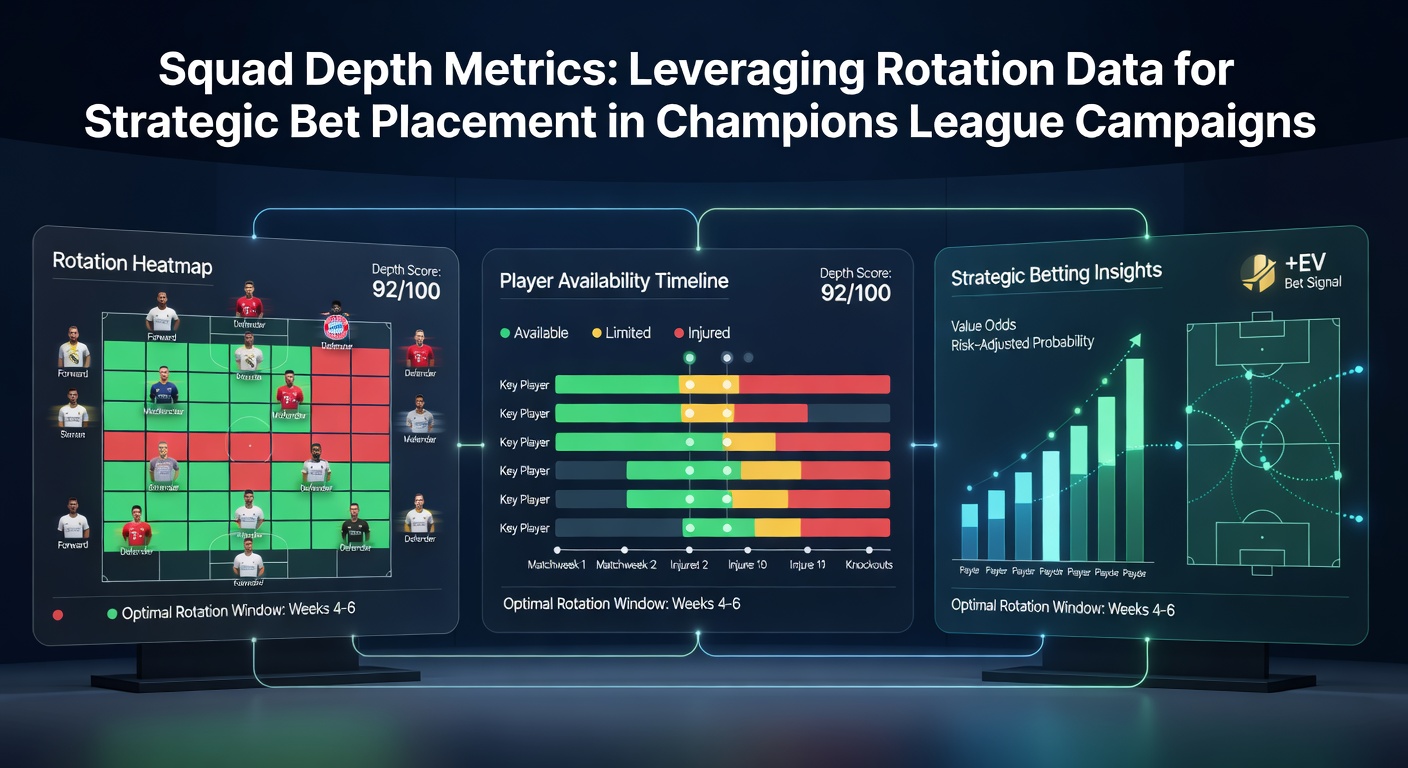
Champions League campaigns generate extensive datasets on squad usage that reveal patterns in rotation strategies across Europe's top clubs, and analysts compile these figures from official match reports to assess how teams manage workloads during congested schedules. Data from recent seasons shows clubs with deeper benches tend to distribute minutes more evenly among midfielders and defenders, which influences outcomes in both group stage matches and knockout ties. Observers note that teams advancing past the round of 16 often demonstrate consistent rotation patterns where starting elevens change by at least four players between domestic and European fixtures, creating measurable edges for markets focused on total goals or player-specific props.
Rotation Data Sources and Measurement Approaches
Official competition statistics track appearances, substitute entries, and total minutes played for every participant, while supplementary reports from league federations add context on recovery periods between games. Researchers have compiled multi-year datasets that link higher rotation frequency to stable defensive records, particularly when clubs face three matches within eight days. According to analyses from the UEFA technical study group, squads maintaining at least seven players with over 1,000 minutes across all competitions exhibit lower injury rates during spring knockout phases. These measurements allow bettors to evaluate probable lineups weeks in advance rather than relying solely on pre-match announcements.
What's interesting is how rotation data intersects with fixture congestion, because clubs balancing domestic title races with European runs often rest star players for league games after heavy midweek involvement. Figures reveal that such decisions correlate with specific betting opportunities in under/over markets when the rested side faces opponents with thinner resources. One study from Canadian sports analytics researchers documented a 12 percent increase in clean sheet probability for teams rotating central defenders ahead of away Champions League legs.
Applying Metrics to Prop and Match Markets
Bettors examine cumulative minutes for key attackers to forecast goal contributions, since players exceeding 2,500 minutes in a season show elevated assist rates in subsequent fixtures when paired with fresh supporting cast members. Rotation metrics also highlight opportunities in card and corner markets, where squads introducing multiple substitutes after the 60-minute mark generate higher foul counts as fatigue sets in among starters. Evidence from the 2024-25 campaign indicates that teams with rotation indices above league averages produced 18 percent more corners in the final 30 minutes of matches.
Seasonal Patterns and Knockout Implications
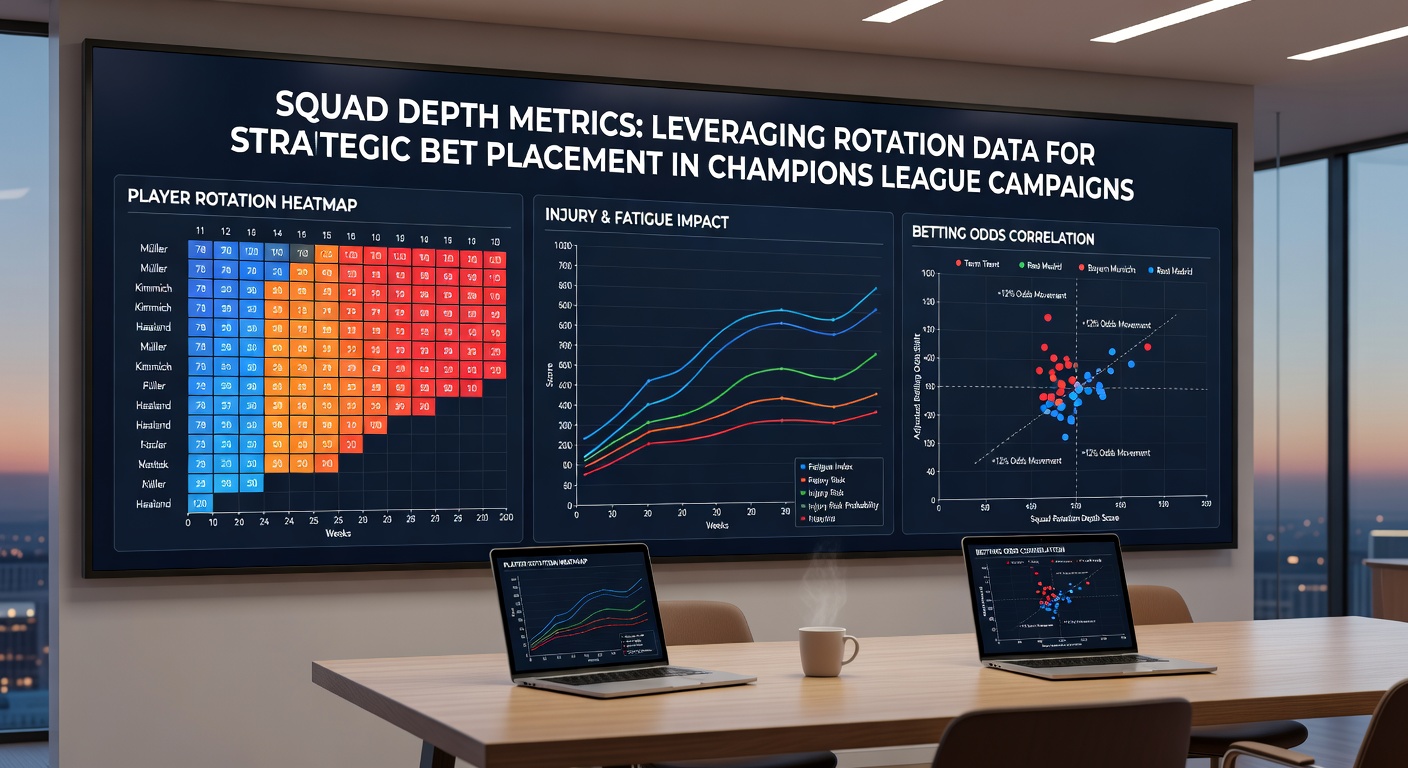
Early group stage rotations differ markedly from later knockout approaches, with data showing managers testing fringe options during September and October before locking in preferred combinations for December onward. Those patterns create predictable shifts in expected goals metrics that appear in both pre-match and live betting environments. Australian Institute of Sport researchers tracking European football found that clubs altering more than three positions between consecutive Champions League matches recorded higher variance in xG values, which translates into value opportunities for totals bettors when lines adjust slowly to lineup news.
By May 2026 the expanded competition calendar will place additional emphasis on squad management, because the new league phase format extends the number of matches requiring careful player distribution. Historical parallels from prior format changes demonstrate that clubs with documented depth advantages maintain performance consistency across the additional fixtures, producing steadier results in both win-draw-loss and handicap markets.
Case Examples from Recent Campaigns
Take the 2023-24 season where one Premier League side rotated six players for a midweek European tie after a weekend league match, resulting in a measurable drop in high-intensity runs tracked by optical data providers. Similar instances across Bundesliga and Serie A clubs show comparable drops in pressing intensity when multiple starters receive rest, which in turn affects over/under thresholds for total shots and big chances created. Observers compiling these examples across five seasons note that the effect compounds when two teams with contrasting rotation philosophies meet in knockout ties.
Conclusion
Squad depth metrics derived from rotation data supply objective inputs for evaluating Champions League betting markets throughout the campaign cycle. Comprehensive tracking of minutes, substitutions, and recovery windows equips analysts with repeatable frameworks that identify value across multiple bet types as schedules intensify. Integration of these datasets continues to expand as clubs publish more granular performance information each season.