Squad Rotation Realities: International Breaks and Their Influence on Club Form Shifts Across Multiple Leagues
Petra Schröder · May 21, 2026
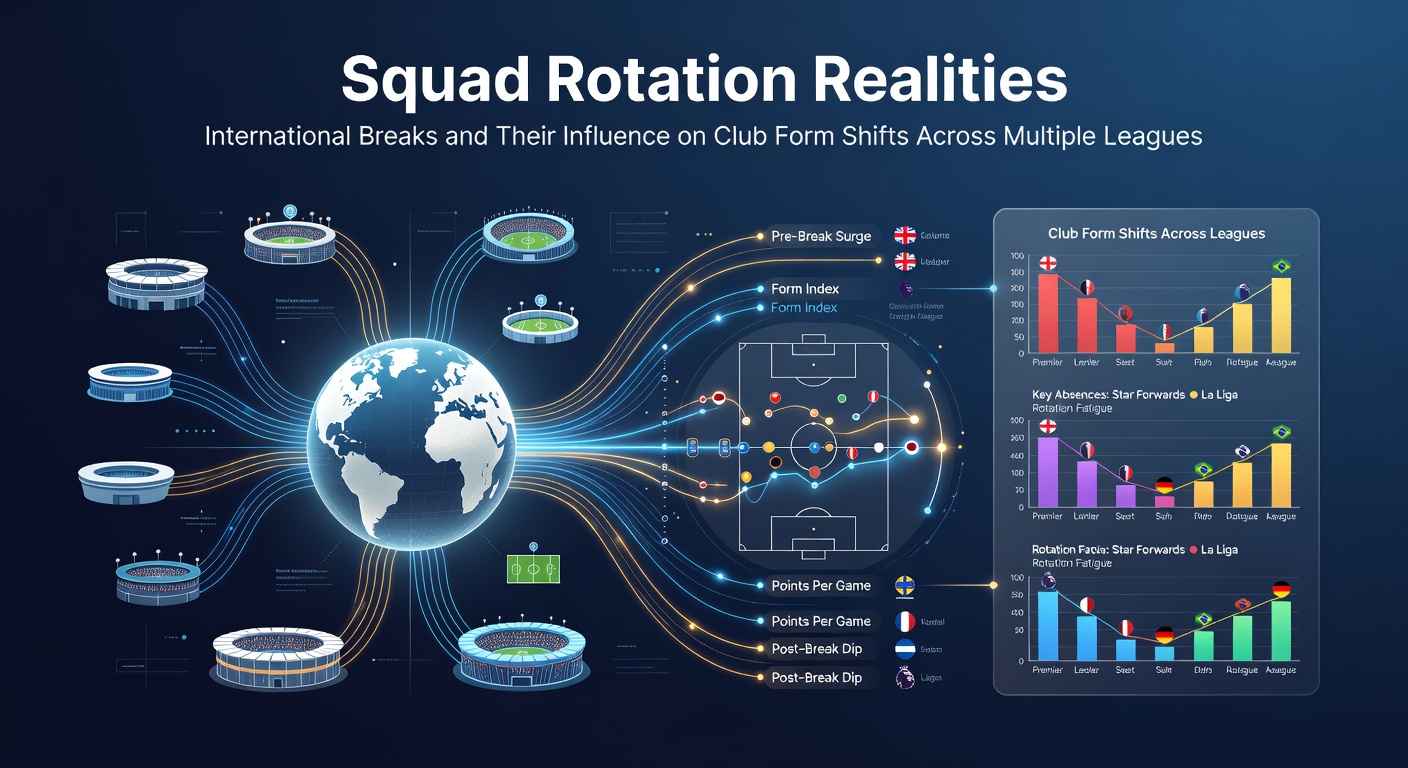
Squad Rotation Realities: International Breaks and Their Influence on Club Form Shifts Across Multiple Leagues
International breaks interrupt domestic schedules at regular intervals each season, pulling key players away for national team commitments while clubs must adapt their lineups and training routines accordingly. Observers note that these pauses create measurable changes in team performance patterns across the Premier League, La Liga, Bundesliga, Serie A, and Ligue 1, where data shows increased rotation often correlates with shifts in results during the weeks that follow. Researchers tracking match statistics find that clubs with larger squads tend to manage these periods differently than those relying on smaller core groups, leading to varied outcomes in both home and away fixtures.
Patterns in Squad Management During Breaks
Clubs receive advance notice of international windows through FIFA and confederation calendars, allowing coaches to plan recovery sessions and integrate fringe players into starting roles. Evidence from recent campaigns indicates that teams in the Bundesliga experience quicker rebounds after breaks compared to those in the Premier League, where fixture congestion remains higher. Those who have studied player workload metrics point out that fatigue accumulates differently depending on travel distances and match intensity during the international period, prompting managers to adjust tactics upon return.
Take one case where a mid-table Serie A side rotated its entire midfield after a September break and recorded three consecutive draws, a sequence that aligned with broader league trends documented in performance databases. What's interesting here is how these adjustments often extend beyond the immediate post-break match, influencing form for up to four or five games as players readjust to club rhythms.
League-Specific Responses to Player Absences
Across Europe's top divisions, statistical reviews reveal distinct responses tied to squad depth and tactical flexibility. In La Liga, clubs frequently report elevated goal tallies in the first round of fixtures after breaks, partly because defensive organizations require extra time to gel. Bundesliga sides, by contrast, show steadier scoring rates yet encounter more injuries among returning players who logged heavy minutes with their nations. Data compiled by European football analysts highlights that Ligue 1 teams sometimes accelerate promotion of academy prospects during these windows, creating short-term boosts that fade once established players reclaim spots.
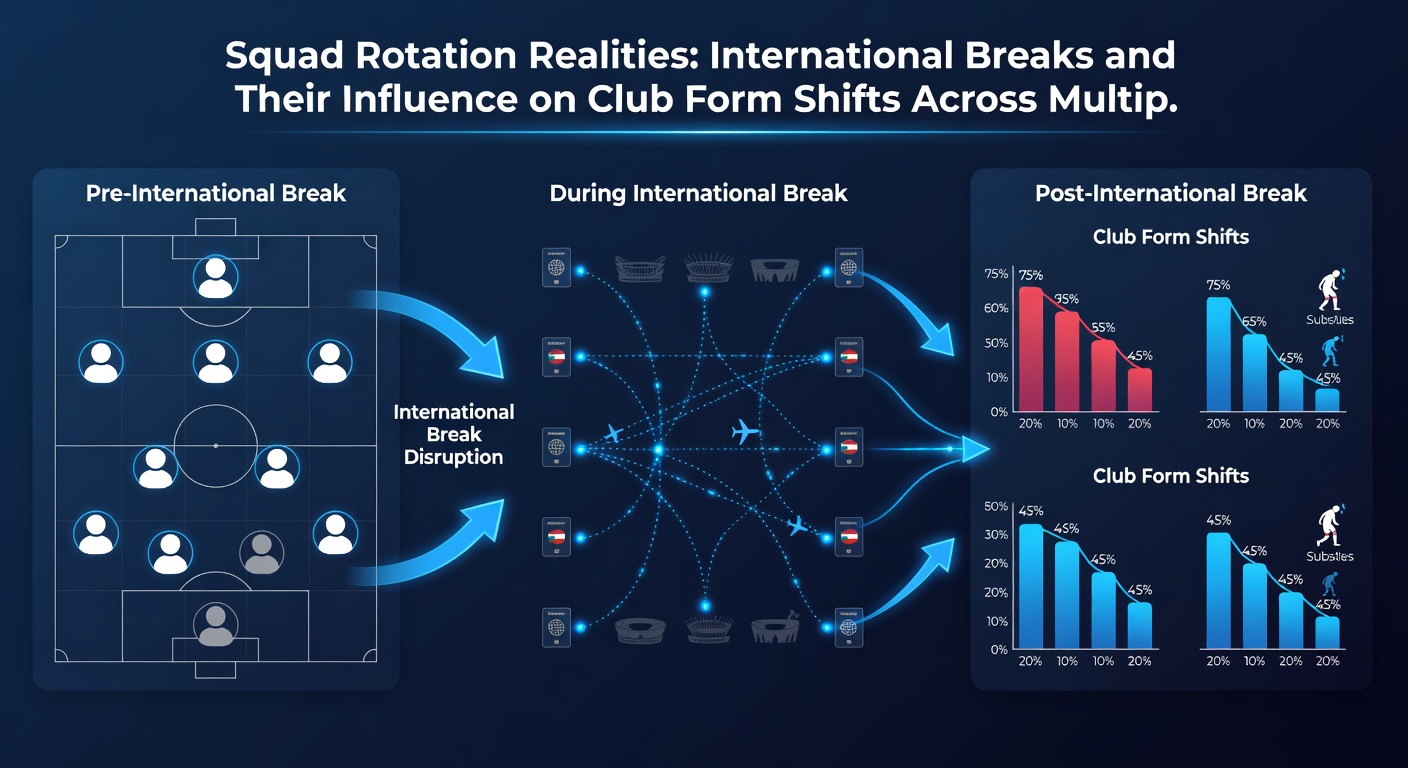
Observers tracking these developments across multiple seasons emphasize the role of medical staff in monitoring load management, since overlapping schedules can stretch recovery protocols. And yet the reality remains that smaller clubs with thinner benches absorb the greatest impact, often seeing win percentages dip by noticeable margins in the immediate aftermath.
Form Shifts and Tactical Adjustments
Performance databases indicate that international breaks coincide with temporary alterations in pressing intensity and set-piece execution, areas where continuity matters most. Researchers examining match footage note that teams returning from breaks sometimes adopt more conservative approaches initially, prioritizing defensive structure over high-risk attacking transitions. This pattern appears consistently in both northern and southern European leagues, though the duration of the adjustment phase varies with the length of the preceding break.
One study revealed that clubs employing double training sessions upon player return achieved faster stabilization of results, whereas those maintaining standard schedules encountered prolonged dips. The ball's in the coach's court when deciding how aggressively to reintegrate rested stars versus continuing with the rotated group that secured points during absences.
Looking Ahead to Scheduling Realities in 2026
Upcoming calendar adjustments scheduled for May 2026 include refined windows designed to reduce overlap with domestic cup competitions, a move intended to ease the burden on players who regularly represent both club and country. Figures from scheduling reports suggest these tweaks could moderate the sharpest form fluctuations observed in prior years, particularly for squads balancing Champions League and league commitments. Industry organizations monitoring player welfare continue to evaluate how such changes influence rotation strategies across continents.
Conclusion
International breaks remain a recurring factor that forces clubs to recalibrate their approaches, with outcomes depending on squad resources, medical oversight, and tactical adaptability. Evidence accumulated across multiple leagues demonstrates that these periods produce measurable, though temporary, shifts in form that coaches and analysts track closely each season. As calendars evolve toward 2026, ongoing data collection will clarify whether revised windows deliver more stable transitions between national and club duties.