The Hidden Influence of Squad Depth on Match Outcomes During Intense Fixture Runs
Drew Bennett · May 19, 2026
The Hidden Influence of Squad Depth on Match Outcomes During Intense Fixture Runs
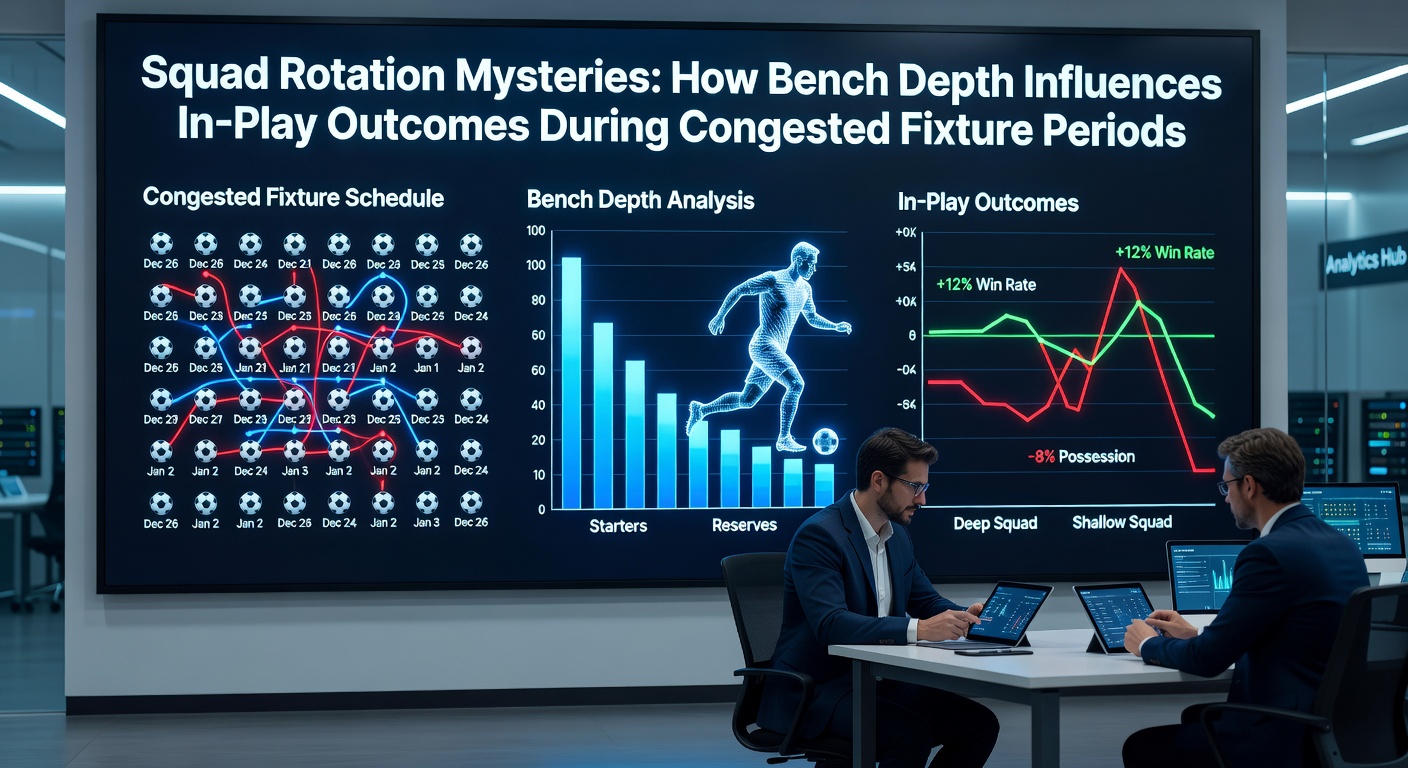
Football schedules pack games into tight windows across domestic leagues and European competitions, creating periods where teams must rotate players to maintain performance levels, and squad depth determines how effectively coaches manage these demands while preserving energy for key moments on the pitch. Researchers from sports science programs have tracked how limited rotation options lead to drops in intensity after the hour mark, whereas clubs with stronger benches sustain pressing and attacking patterns longer into matches.
Fixture Congestion Patterns Across Major Leagues
Leagues such as the Premier League and Bundesliga schedule clusters of fixtures around winter months and international breaks, yet the pattern repeats toward the end of campaigns when cup ties overlap with league rounds. Data from match analysis platforms shows that teams playing three games in eight days experience measurable declines in high-speed running distances, and these reductions become more pronounced when bench options lack comparable quality to the starting eleven. Observers note that clubs with at least two reliable substitutes per position maintain higher average pass completion rates in the final twenty minutes compared to those relying on youth prospects or recovering players.
Bench Strength and Substitution Timing
Coaches time substitutions to refresh midfield control or add width, but success depends on the quality waiting on the sidelines rather than mere numbers. Studies in the Journal of Sports Sciences indicate that early changes around the sixty-minute mark preserve defensive structure when teams possess versatile squad members capable of adapting to multiple roles. In contrast, shallower groups force later introductions that often coincide with lapses in concentration and increased turnovers, directly influencing live betting markets focused on total goals or cards after the seventy-fifth minute.
What's interesting here is how tactical flexibility emerges from depth, allowing managers to switch formations mid-game without losing cohesion, and this adaptability shows up in statistics where teams with broader options record fewer fouls in congested periods because fresher legs reduce desperate challenges.
Performance Data and In-Play Trends
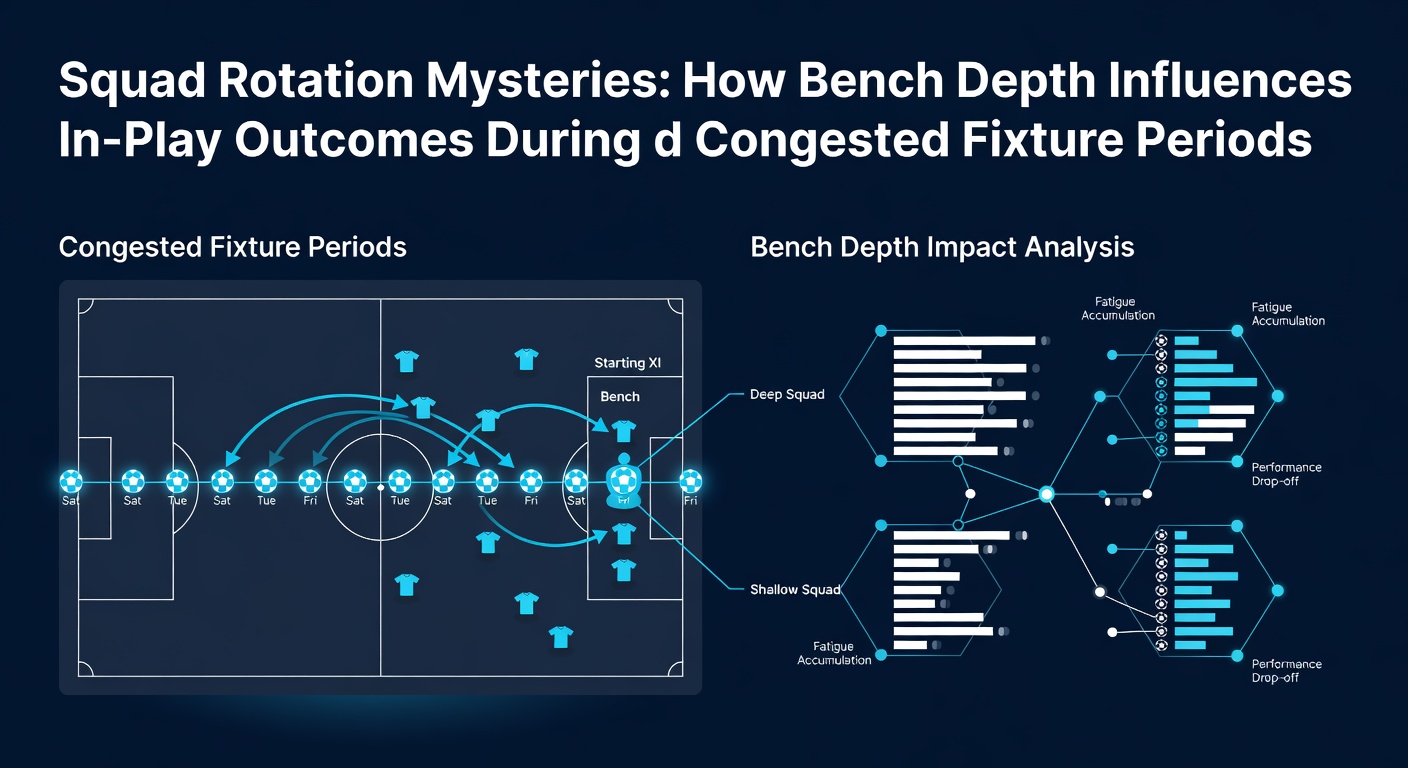
According to performance tracking from the European Club Association, squads averaging over twenty-five senior players with first-team experience concede fewer shots in the second halves of back-to-back fixtures. The numbers reveal that goal tallies rise when rotation includes attacking reinforcements who maintain speed against tiring defenses, while defensive rotations correlate with lower card counts because players avoid risky tackles. One analysis of the 2024-2025 season highlighted how certain clubs used their bench to shift from a compact 4-4-2 to a more fluid 3-5-2, resulting in sustained pressure that produced late winners during packed December schedules.
Turns out these patterns extend into May 2026 when leagues finalize fixture lists for the following campaign, and early planning around squad investment becomes visible in pre-season friendlies where coaches test rotation strategies ahead of anticipated congestion. Academic reviews from institutions in Australia have compared injury rates across continents and found that deeper European benches reduce soft-tissue issues by up to eighteen percent during similar fixture loads.
Regional Variations in Squad Management
Clubs in South American leagues face different congestion challenges due to travel distances, whereas North American teams balance MLS schedules with cup competitions that force selective rotation. In both cases, data shows that teams rotating full-backs and central midfielders together maintain better balance, leading to steadier expected goal values throughout ninety minutes. Those who've studied these trends point out that live markets adjust quickly once substitutes enter, with odds on overs tightening when fresh forwards replace fatigued attackers.
But here's the thing: not every rotation succeeds, and examples from recent campaigns demonstrate how introducing untested players during high-stakes periods can disrupt passing rhythms and increase turnovers in dangerous areas. Research indicates that successful managers cross-reference fitness data with opponent pressing styles before deciding on changes, and this preparation pays off in prolonged periods of possession that wear down opponents gradually rather than through sudden bursts.
Conclusion
Overall, bench depth shapes in-play dynamics by determining how long teams sustain intensity and adapt tactically during fixture congestion. Figures from multiple leagues confirm that clubs investing in versatile squad members see steadier results in the latter stages of matches, while those without such resources encounter sharper drops in key metrics. As schedules continue to evolve toward 2026, the relationship between rotation quality and live outcomes remains a measurable factor tracked by analysts across competitions.