UK Interest in Prediction Markets Grows as Major Events Approach in 2026
Petra Schröder · Jul 28, 2026

UK Interest in Prediction Markets Grows as Major Events Approach in 2026
Prediction markets modeled on platforms such as Polymarket have drawn increased attention from UK participants in the lead-up to events including the 2026 World Cup and several parliamentary byelections, with one notable contest centered on the Clacton constituency; observers note that activity has accelerated since early July 2026 as users seek alternatives to traditional betting options.
Regulatory Framework and User Workarounds
The UK Gambling Commission maintains that any platform offering sports-related trading contracts requires an appropriate licence, while the Financial Conduct Authority has prohibited products resembling binary options since 2019; despite these rules, reports indicate that some UK residents access offshore prediction markets through virtual private networks and cryptocurrency deposits that obscure location data and transaction trails.
Data from regulatory monitoring shows that enforcement remains focused on domestic operators, leaving gaps that allow cross-border access when participants route connections overseas; figures compiled by industry analysts suggest volumes on these platforms have risen steadily during the first half of 2026, coinciding with heightened political and sporting calendars.
Comparison With Established UK Betting Markets
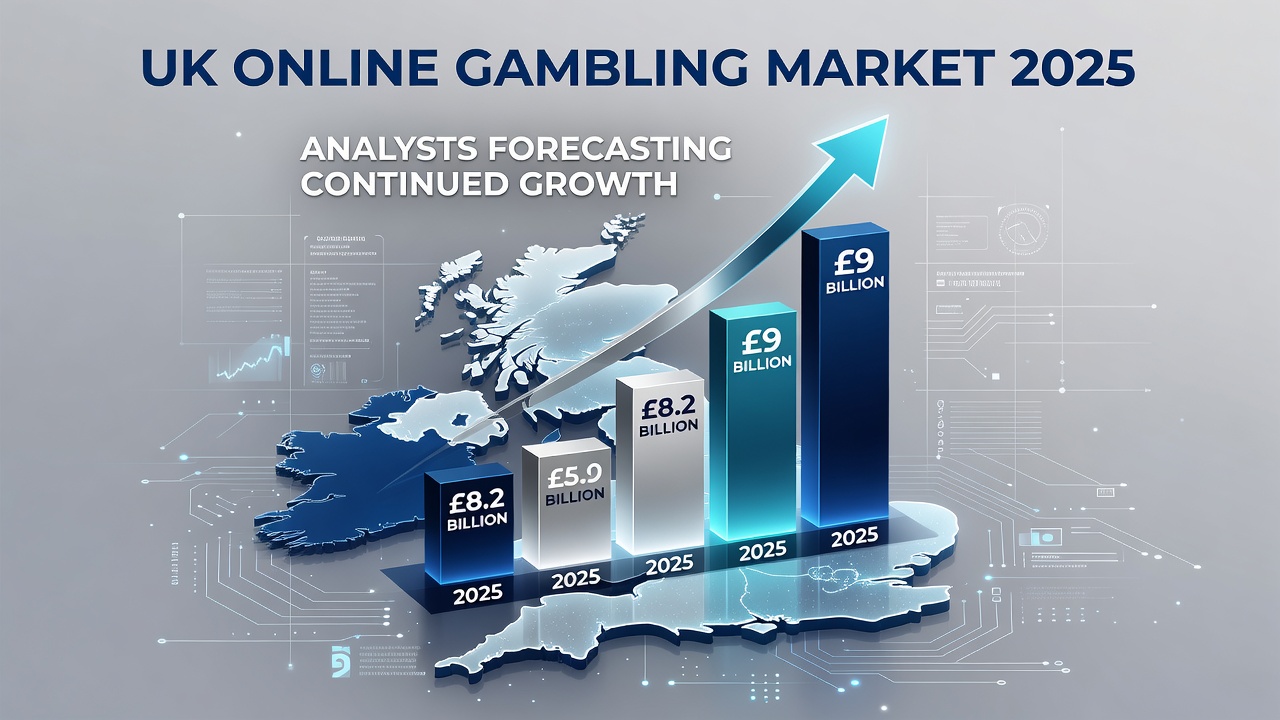
Traditional sports betting in the United Kingdom generates annual gross gaming yields measured in billions of pounds, with football and horse racing accounting for the largest shares according to Commission statistics; in contrast, prediction-market volumes remain smaller yet have shown rapid percentage growth when measured against prior years, particularly around high-profile international tournaments and constituency contests.
One study released in July 2026 placed the potential scale of UK participation in offshore prediction markets at a fraction of licensed sports betting turnover, yet noted that event-specific spikes could push monthly figures into hundreds of millions if participation mirrors patterns observed in the United States during recent election cycles.
Key Drivers Behind the Uptake
The 2026 World Cup draws attention because contracts tied to match outcomes, player performances, and tournament stages offer granular trading opportunities that differ from fixed-odds betting; similarly, byelection markets such as the one for Clacton allow participants to trade on vote shares and candidate probabilities in real time, features that attract users seeking continuous price discovery rather than single wagers placed before an event begins.
Reports published by The Guardian highlight how cryptocurrency funding streams and VPN routing have lowered barriers for UK residents who wish to engage with these platforms while remaining outside the direct oversight of domestic regulators; activity clusters around periods when polls tighten or when tournament fixtures generate fresh information that moves contract prices.
Compliance and Market Integrity Concerns
Regulators have flagged several risks associated with unregulated prediction markets, including the potential for insider trading when participants possess non-public information about political developments or athlete fitness; the absence of licensed oversight also raises questions about fund segregation and dispute resolution, areas where the Gambling Commission enforces strict standards on authorised operators.
Democratic influence forms another area of scrutiny, as large concentrated positions on election-related contracts could create perceptions that market movements affect voter sentiment or candidate strategies; authorities continue to monitor whether such dynamics warrant additional restrictions beyond existing bans on binary-option structures.
Future Outlook for UK Participation
Industry observers expect that interest will intensify through the remainder of 2026 as the World Cup approaches its group stages and any further byelections generate new trading opportunities; whether volumes stabilise or accelerate depends partly on enforcement actions and partly on the availability of licensed domestic alternatives that replicate the continuous trading model.
Current data indicates that offshore platforms continue to operate without UK licences, and participants who choose to access them do so at their own risk regarding regulatory compliance and consumer protections; the situation remains fluid as both the Gambling Commission and the FCA review market developments in light of evolving technology and user behaviour.
Conclusion
The expansion of UK engagement with US-style prediction markets reflects broader trends in event-driven trading, yet it unfolds against a backdrop of established licensing regimes and product restrictions; continued observation of volumes, access methods, and regulatory responses will determine how the sector evolves through the remainder of 2026 and beyond.